RSS decides to increase focus on youth and women


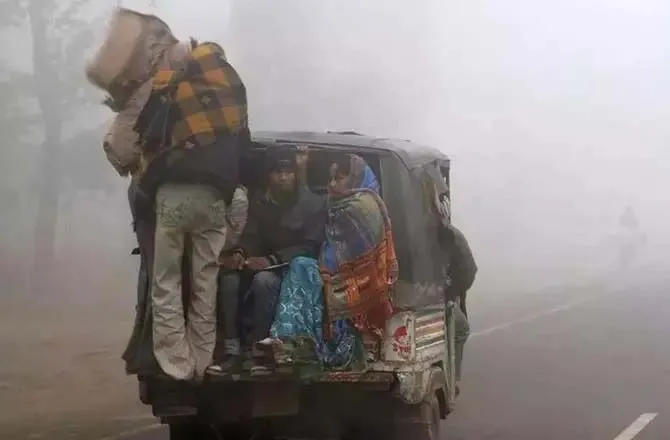
With the onset of winter, as the temperature in the valley continues to drop, the extraordinary increase in air pollution has taken the shape of a new crisis. The dry weather, increasing sources of smoke, and unusual traffic pressure have affected the air quality to the extent that the atmosphere in several areas is foggy and breathing is becoming difficult.
In several parts of the valley, a clear layer of fog and fine dust particles has been visible in the air for the past week, while air quality monitoring stations at various locations have recorded PM10 and PM2.5 levels consistently exceeding the safe limit. According to the latest data, PM10 levels have ranged from 136 to 243 micrograms per cubic meter, while PM2.5 levels have reached up to 86 to 167 micrograms, which is several times higher than the safe limit set by the World Health Organization.
Experts say the absence of rainfall has stopped the natural process of washing away pollution. Meanwhile, traffic jams, increased use of private vehicles, smoke from coal heaters and wood stoves, and dust from construction activities have further complicated the situation.
According to doctors, the deteriorating air quality is immediately visible in hospital emergency and OPD departments. They say that in the past few weeks, there has been a significant increase in complaints of cough, shortness of breath, chest tightness, eye irritation, and sore throat, while the number of COPD and asthma patients is also increasing alarmingly. They said that air pollution not only worsens existing diseases but also creates new respiratory problems in healthy individuals, especially in children, the elderly, and patients, who are at greater risk. Cardiologists are also taking the situation very seriously. A cardiologist at GMC Srinagar said that fine particles entering the bloodstream cause inflammation, which increases the risk of heart attacks, high blood pressure, heart arrhythmias, and strokes. He said that poor air is not just a problem limited to the lungs, but it affects many important systems of the human body and can have fatal consequences with continuous exposure.
Research has also shown that polluted air affects human mental health. Prolonged pollution causes an increase in fatigue, sleep disturbances, irritability, anxiety, and a decrease in immunity. Experts say that if the situation does not improve, epidemic-like health problems can arise in the coming days. Meanwhile, doctors have appealed to the public to take precautionary measures to protect their health. They say that citizens should spend as little time as possible outside their homes on foggy and polluted days, especially during morning and evening hours when pollution is at its peak. They have emphasized keeping windows closed, using masks, drinking more water, installing air purifiers at home, and taking special care of patients with weak immunity. At the same time, they have advised strictly avoiding the burning of waste and biomass.
Environmental activists and experts have appealed to the administration not to ignore the current situation as just a seasonal problem, but to formulate a comprehensive and long-term policy that includes urban planning, traffic management, afforestation, clean energy, and industrial emission control. If the weather remains dry and effective policy is not implemented immediately, experts say the Kashmir valley may face a severe environmental crisis this winter.