Increase in inflation allowance for Bihar government employees and pensioners
Section 29 of the Constitution guarantees us the protection of our cultural and linguistic heritage, and Section 30(1) grants all minorities the right to establish their own educational institutions, but courts have begun interpreting the right to education in a manner that has started to target madrasas
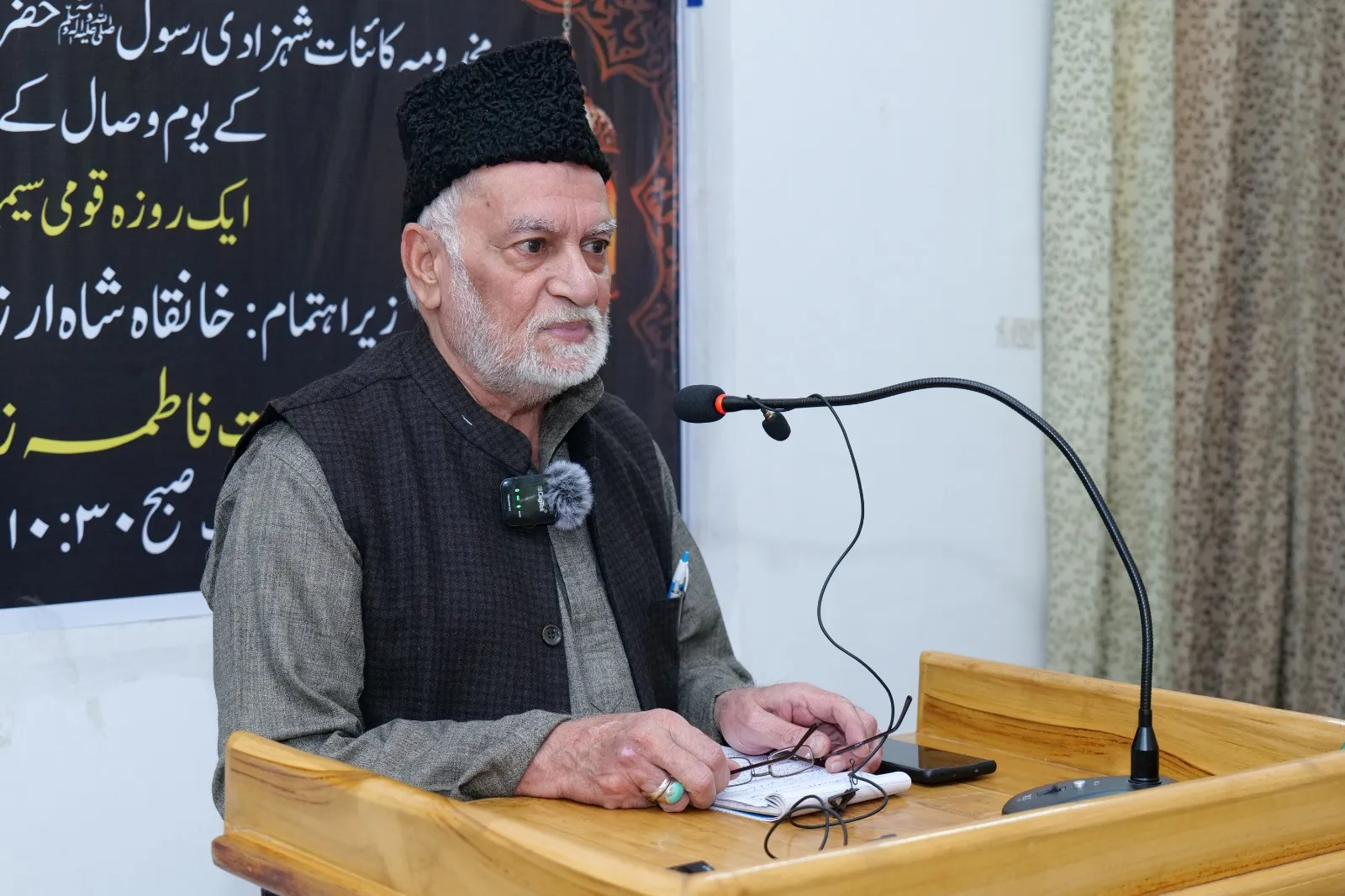
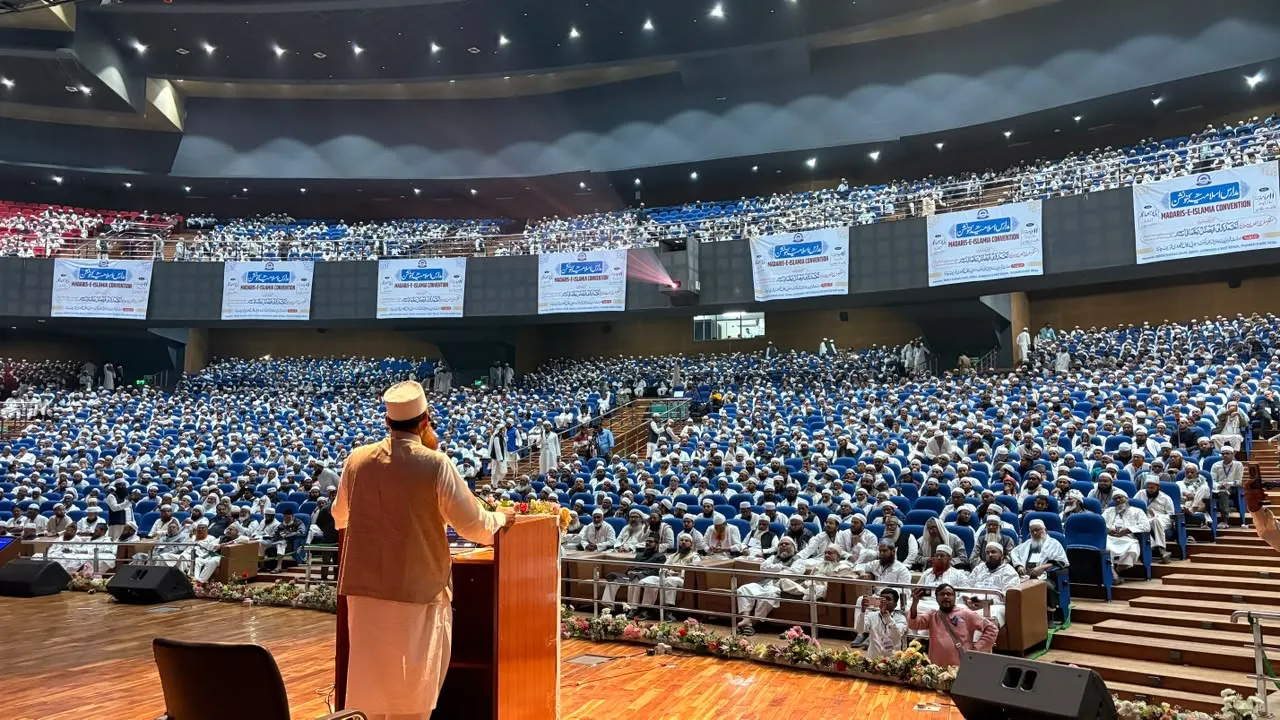
The religious madrasas of the country have played a historical role in preserving Islamic traditions, culture and religious practices; denying the services of these institutions and the historical necessity of their existence is impossible. These religious schools are established under the provisions of the Indian Constitution; because Article 30's powers cannot preserve language and culture without education and certificate. According to the press release, Amir Shariat of the Bihar, Assam, Jharkhand and West Bengal Shariat, Maulana Ahmaduli Faiz Rahmani, expressed this in his keynote address at the Islamic Madrasas Convention.
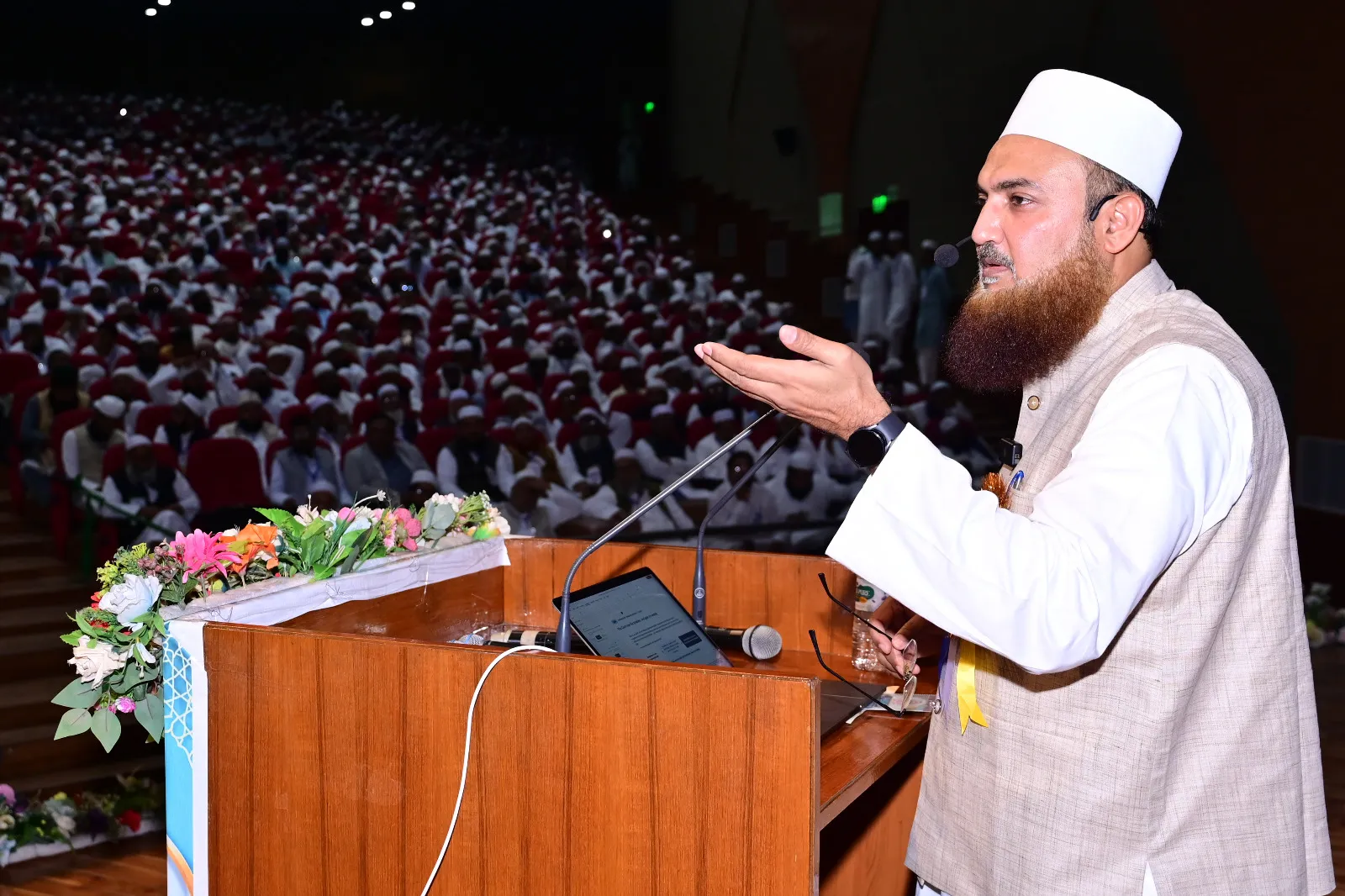
Amir Shariat presented a legal analysis of the establishment of religious madrasas and maktabs under the light of the Indian Constitution, and stated that Section 29 of the Constitution guarantees us the protection of our cultural and linguistic heritage and Section 30(1) gives all minorities the right to establish their own educational institutions, but courts have begun interpreting the right to education in a manner that has started to target madrasas. He also presented an analysis of the decisions made by various courts, identified the issues through a screen, and explained in detail how we can establish our madrasas within the legal framework and protect them. Along with this, he also explained legal points in great detail and said that all of this will be provided through the website.
The Deputy Amir Shariat of the Shariat, Maulana Shamsad Rahmani, said that the scholars had made great sacrifices in the country's freedom movement; but under conspiracy, there is an attempt to defame them, and we must respond in a legal manner, which the Amir Shariat has also guided.
Administrator of the Shariat of Bihar, Assam, Jharkhand and West Bengal, Maulana Mufti Muhammad Saeed Al Rahman Qasmi, during his welcome address, welcomed the guests and said that the sacrifices of these madrasas have been unforgettable in building and beautifying this country. At a time when we have to protect the madrasas, we also have to maintain the internal order and discipline of the madrasas. The plan presented by the Amir Shariat should be listened to carefully and with attention.
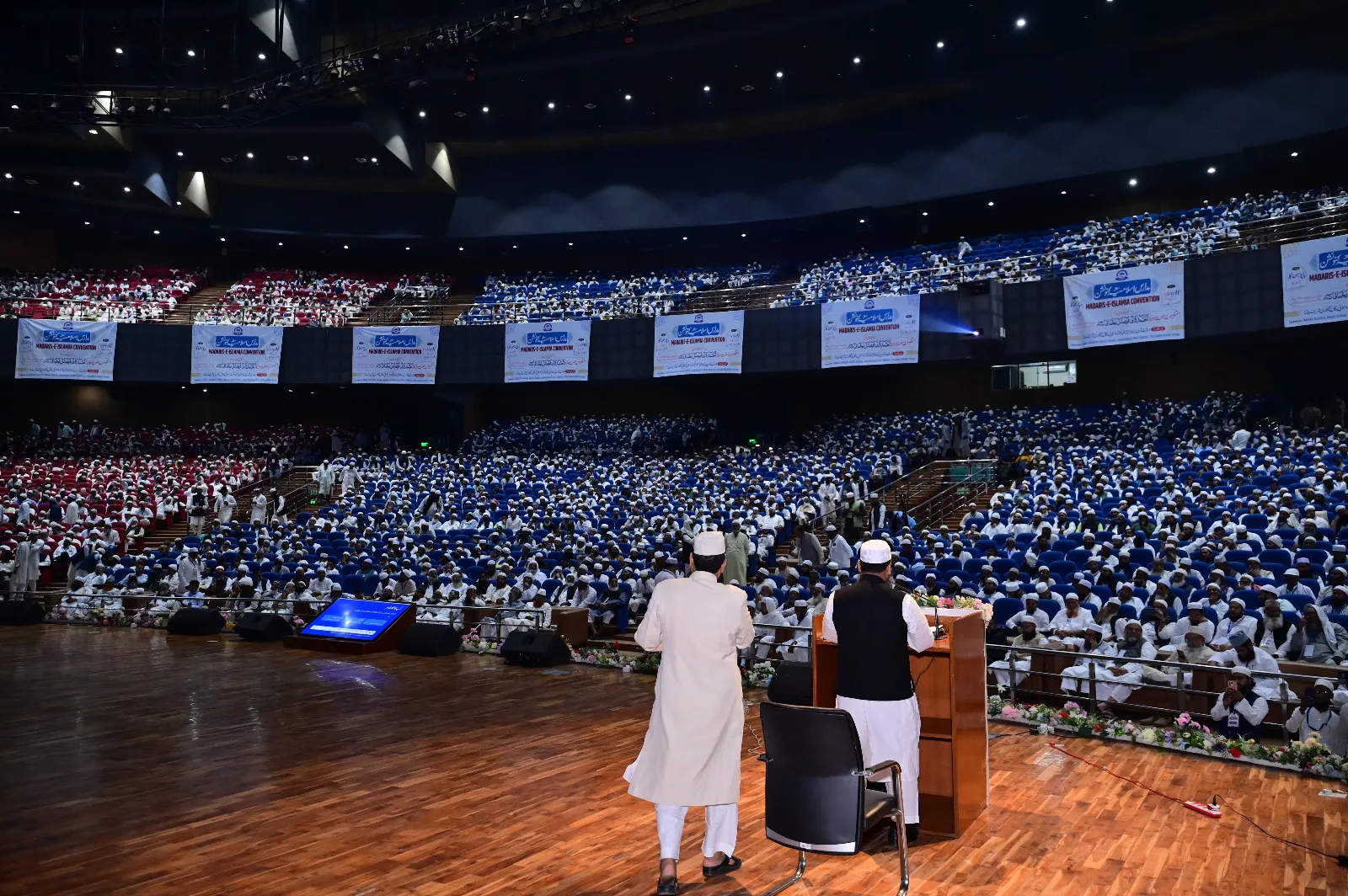
Maulana Mufti Muhammad Anzar Alam Qasmi, Chairman of the Shariat Court, pointed to several basic laws regarding children's health and also highlighted the risks, and also gave measures to avoid the law of the market.
Maulana Mufti Muhammad Sahraab Nadi, Deputy Administrator of the Shariat, highlighted the Shariat's social summary, the religious and national services of the Amir Shariat in detail. And he said that our elders have always struggled for the protection and survival of Islamic madrasas, and the current Amir Shariat is also concerned in this regard and is taking practical steps. Today's meeting is the result of his concern.
Maulana Mufti Wasi Ahmad Qasmi, Deputy Shariat Judge, shed light in detail on the issue of salaries of madrasa employees. From this convention, Maulana Mufti Muhammad Nushad Nuri Qasmi, Professor of Arabic and Fiqh, Vice Chancellor of Aligarh Muslim University, said that we must first understand that the propaganda claims that there is terrorism in madrasas, and the reality is that there is terrorism in madrasas. In the present time, we should act with awareness. Maulana Abu al-Kalam Shamsi, Maulana Ridwaan Ahmad Islahi, Amir Jamaat Islamia, Hala Bihar, Professor Shakeel Ahmad Qasmi, Maulana Saifur Rahman Rahmani, University Rahmani Moniger, Maulana Abrar Ahmad, Assam, Maulana Mahbullah Qasmi, Maulana Azimuddin Qasmi, Bengal, Maulana Muhammad Anwar Qasmi, Jharkhand, Maulana Aftab Alam Nadi, Jharkhand, delivered the speech and gave their valuable opinions.
Nazim Imarat Shuruaat has presented very important proposals in light of various opinions, which all participants unanimously approved. The meeting was chaired by Maulana Mufti Seharab Nadvi, Deputy Nazim Imarat Sharia, who presented the proposals.
admin