RSS decides to increase focus on youth and women
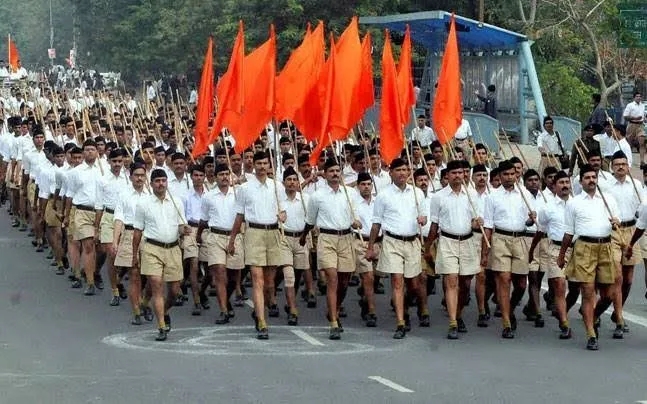

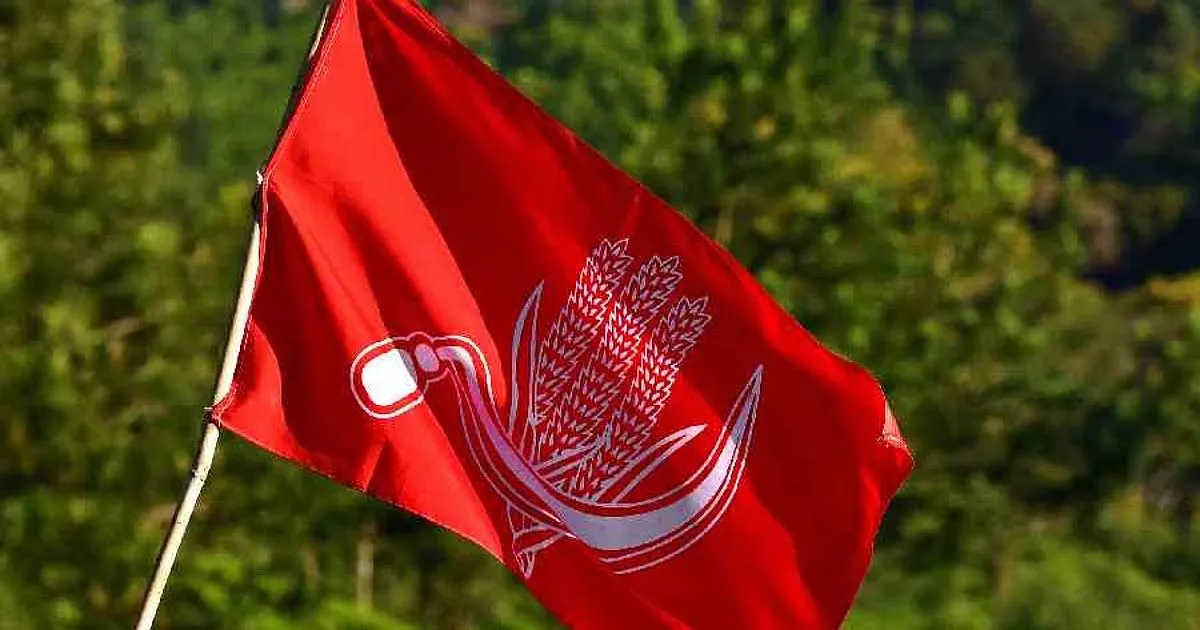
Fifty years ago, when India was under British rule, two completely different ideologies emerged in the country's intellectual and political landscape. These ideologies made a strong attempt to influence people's intellectual attitude over the years, but since their intellectual foundations were based on necessity and emotions, when the tide of emotions intensified, the noise raised on the aspects of daily life, labor, and employment became just noise, and the emotional tendency tightened its grip on politics and every aspect of life, making it difficult to escape. The Rashtriya Swayamsevak Sangh (RSS) and the Communist Party of India (CPI) were among the parties that successfully established their foundations on these two contradictory ideologies.
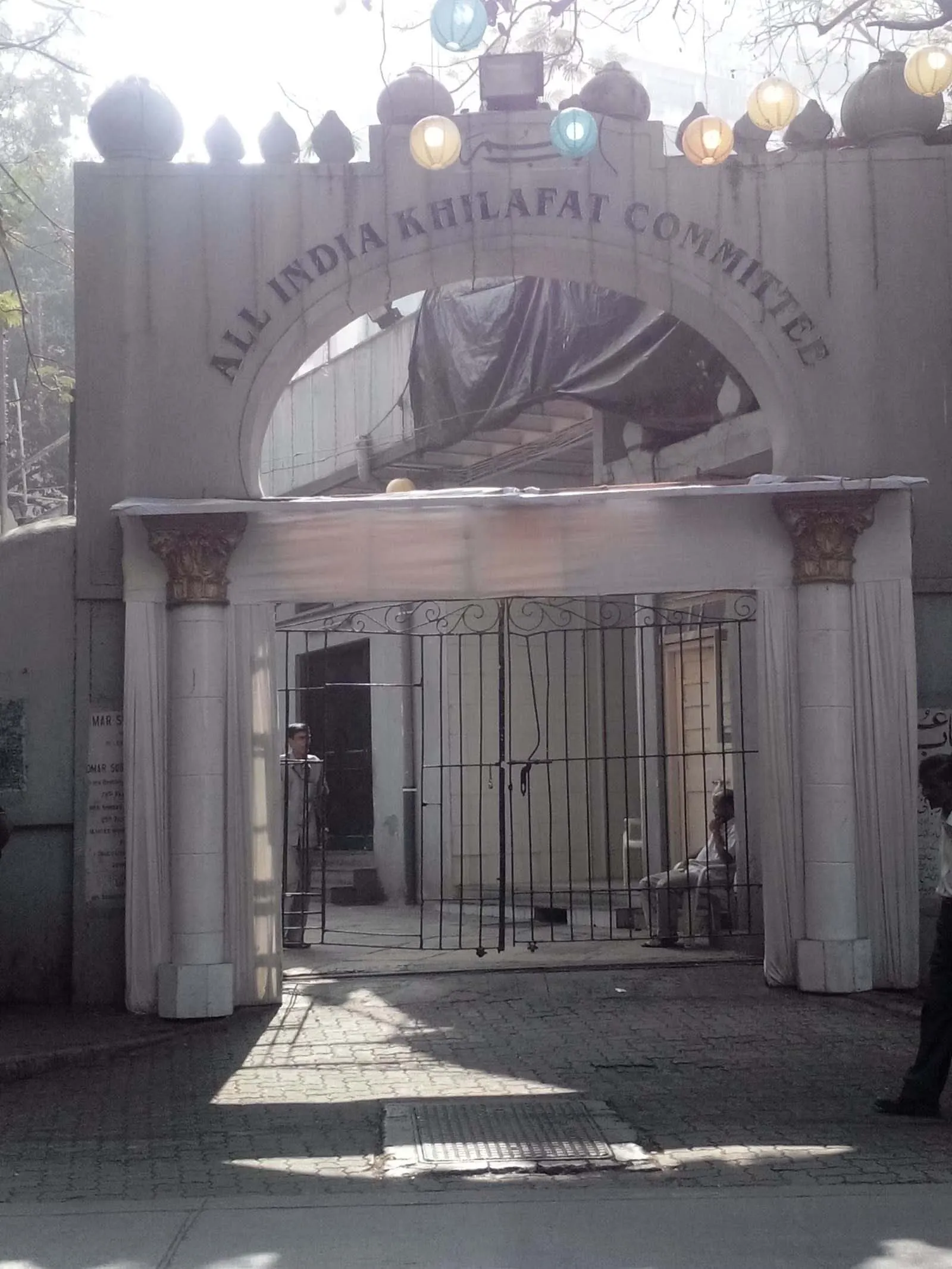
In the second decade of the 20th century, India's independence movement, led by Congress and Mahatma Gandhi, had gained momentum. Meanwhile, the Bolshevik Revolution broke out in Russia in 1917, shaking the world's political thought. The concept of workers' and peasants' rule against the capitalist system reached India as well. Some Indians living abroad and associated with the Khilafat movement went to Russia, where they were influenced by communist ideologies and tried to find a new political direction. In 1920, an initial attempt was made to form a communist party abroad, but it was a small group and could not move forward. However, the ideology survived.
Ultimately, 1925 proved to be the year that changed the history of Indian politics. On September 27, 1925, the RSS was founded, and on December 26 of the same year, the Communist Party of India came into existence through a historic conference in Kanpur. The conference, which lasted from December 26 to 28, was attended by about 500 delegates. A party was formed with a clear and revolutionary objective: "to bring about India's independence from British imperialist rule, to socialize the means of production and distribution, and to establish a democratic republic of workers and peasants on that basis."
In this revolutionary tradition, the name of Maulana Hasrat Mohani holds a prominent position. Hasrat Mohani was not only a great poet and writer but also an example of courage and principle in practical politics. He was among the first leaders to raise the slogan "Inqilab Zindabad" in 1921 and demand complete independence (Purna Swaraj) from the Congress platform. Hasrat Mohani was inclined towards socialist and communist ideologies and held a clear stance in favor of workers, peasants, and oppressed classes. He played a crucial role in strengthening the moral and intellectual foundation of the communist movement.
Apart from Hasrat Mohani, leaders like M.N. Roy, S.A. Dange, Muzaffar Ahmed, P.C. Joshi, and others provided the Communist Party of India with theoretical and organizational foundations. These leaders organized the people through the labor movement, peasant sabhas, and trade unions. Despite the British government's oppression, imprisonment, and restrictions, the revolutionaries continued to raise their voices against exploitation.
Those who joined the Communist Party or came close to its affiliated organizations in the 1930s and 1940s included many prominent figures from the intellectual, cultural, artistic, and literary world. These personalities included lyricists like Prem Dhawan, Makhdum Mohiuddin, Kaifi Azmi, Jan Nisar Akhtar, Sajjad Zaheer, Rashid Jahan, Sahir Ludhianvi, Khwaja Ahmad Abbas, actors like Balraj Sahni, A.K. Hangal, Dina Pathak, and Zohra Sehgal, filmmakers like Ritwik Ghatak, musicians like Salil Chowdhury, Nagarkar, Ram Vilas Sharma, Ali Sardar Jafri, Anna Bhau Sathe, Amrut Ghayal, D.N. Gondkar, Muktibodh, and Sabit Hasan.
In the 1930s and 1940s, the CPI faced severe challenges. From 1934 to 1942 and again from 1945 to 1947, the party was banned. During these difficult years, P.C. Joshi became the general secretary of the CPI. His political insight and organizational skills gave the party a new direction and connected it with popular movements.
After 1942, the CPI's activities gained significant momentum. In the first general elections held after independence, the party emerged as a strong political force, becoming the second-largest party after Congress, with 16 members elected to Parliament. However, in 1964, due to ideological differences, the party split into two factions, and the Communist Party of India (Marxist) (CPI(M)) emerged as a major force.
In the following years, the CPI witnessed several political turns. Initially, it supported Indira Gandhi's government but later became part of the left-wing alliance. In the 1990s and 2000s, the CPI played a decisive role in central politics. Whether it was participating in the governments of H.D. Deve Gowda and I.K. Gujral or being part of the first UPA government from 2004 to 2008, the CPI was present at every crucial turn, although it withdrew its support on the nuclear deal issue.
Today, after a hundred years, the CPI stands with a limited but significant presence. It has two members in the Lok Sabha, both from Tamil Nadu, and two representatives in the Rajya Sabha from Kerala. The party has a total of 20 MLAs in three states and one member each in the legislative councils of Bihar and Telangana. The CPI has been recognized as a state party in Kerala, Tamil Nadu, and Manipur and is also part of the ruling alliance in Kerala and Tamil Nadu. The coming years will be crucial for the CPI. The elections in Kerala and Tamil Nadu will not only test the party's political survival but also its century-old ideological legacy. Thus, the 100-year journey of the Communist Party of India is not just the history of a party but a long and meaningful story of ideologies, struggles, sacrifices, and political ups and downs in India, a story that continues to this day.