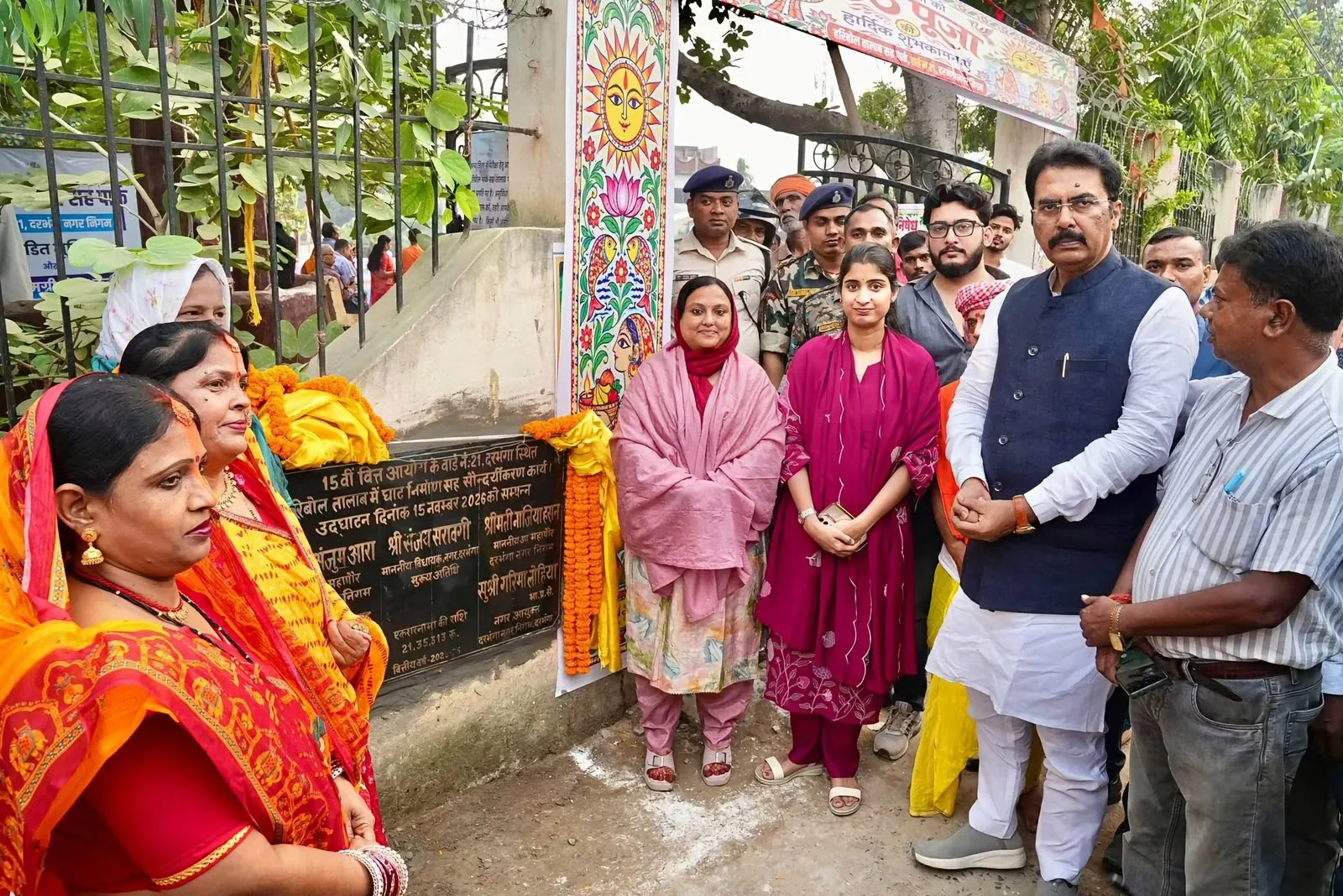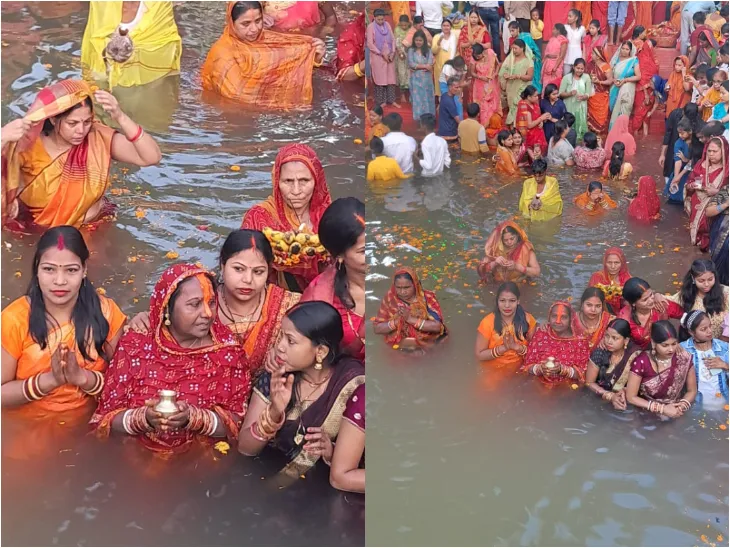
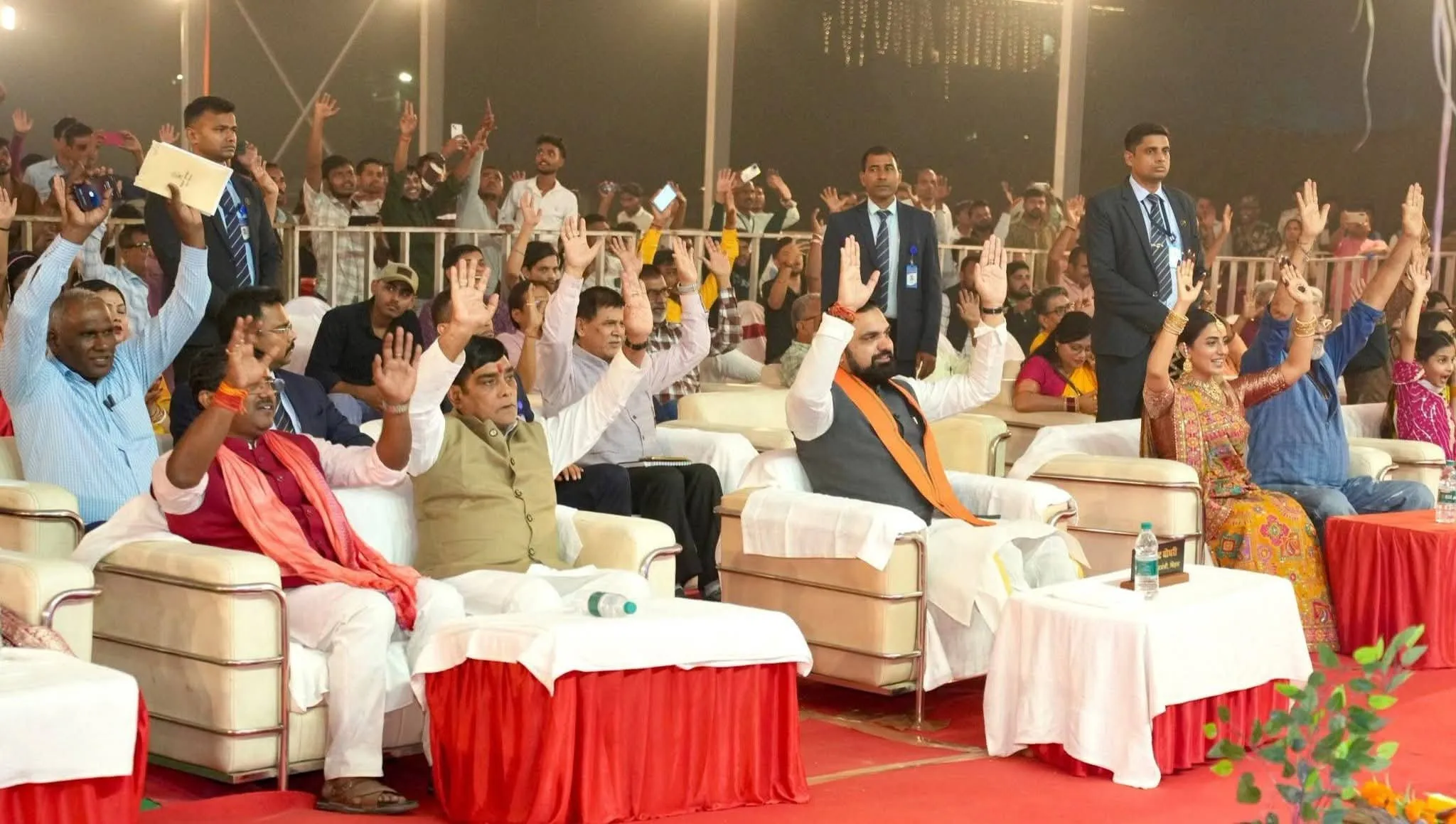
CM Smriti Choudhary attends Akshara Singh's Chhath programme
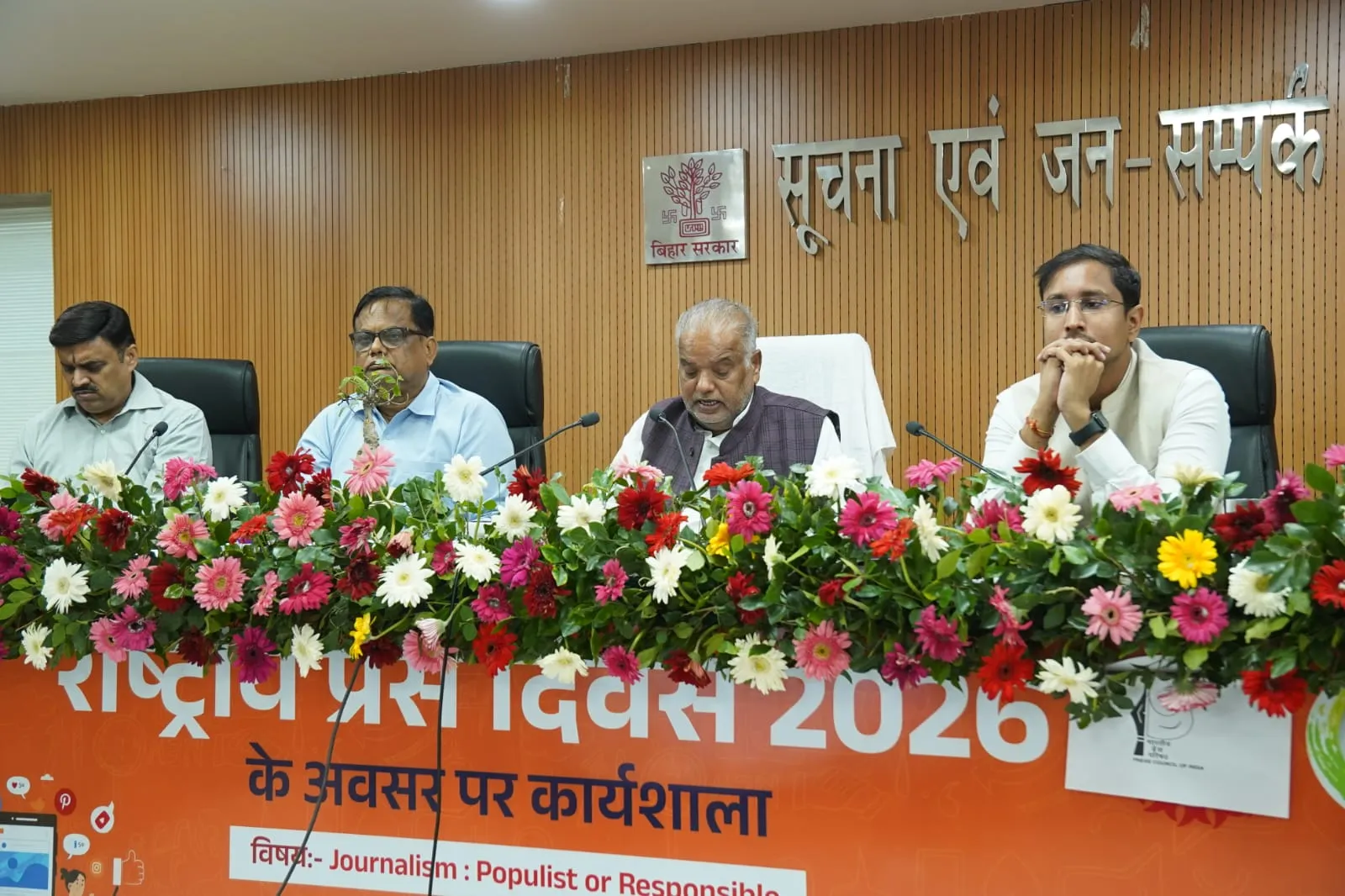
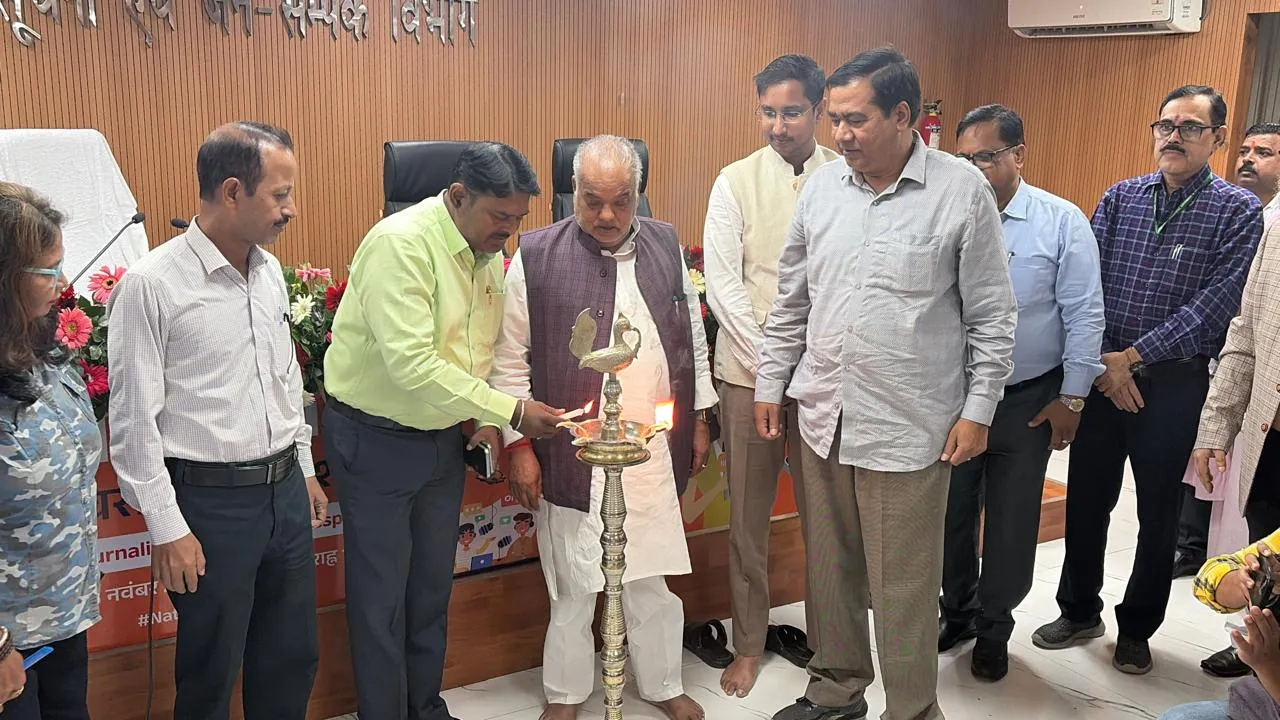
On National Journalism Day, a discussion organized by the Department of Information and Public Relations appealed to avoid sensational and unverified news
Patna, 16 November: On the occasion of National Journalism Day, a discussion titled "Journalism: Populism or Responsibility" was held on Monday in the auditorium of the Department of Information and Public Relations. Addressing the programme, Bihar’s Minister of Rural Development and Information and Public Relations Shron Kumar said that free, impartial and responsible journalism plays a fundamental role in strengthening democracy. Journalism’s purpose is not merely to provide news, but also to effectively highlight the issues of the society’s weak and deprived sections.
The minister congratulated journalists on National Journalism Day and said that public trust and interest must always be the top priority in journalism. It is essential to avoid publishing or promoting unverified, misleading and sensational news. In any news, respect must be given to an individual’s private life, dignity and sensitivity. The distinction between news and allegation should remain clear and journalism should never compromise its credibility.
He said that Bihar has a proud tradition of journalism. In today’s social‑media era, ordinary citizens also have a responsibility to verify the authenticity and reliability of any news or information before forwarding it. Gaining popularity among the public is not wrong, but it should not rely on false, fabricated or misleading facts. The real power of journalism lies not only in its freedom but also in its credibility.
Reference to development initiatives during Netish Kumar’s tenure
Minister Shron Kumar, referring to the development measures undertaken during former Chief Minister Netish Kumar’s tenure, said that significant work was done in education, health, electricity, water and women’s empowerment. Bicycle and clothing schemes were launched to get girls to schools. He claimed that in 2018 Bihar became the first state in the country where the goal of providing electricity to every household was achieved.
He said that a 50 percent reservation for women was introduced in Panchayati Raj institutions and urban local bodies to empower them politically. Subsequently, reservation opportunities for women were also provided in government jobs and other sectors. Today, through self‑help groups, efforts are underway to economically empower millions of women and families. Thirteen lakh self‑help groups have been formed in the state, encompassing about 1.85 crore families.
According to the minister, 1.85 lakh women received financial assistance of 10,10,000 rupees and one lakh women received 20,20,000 rupees. He claimed that under the tap‑water scheme, drinking water has been supplied to 97‑98 percent of Bihar’s households. He said that under the Jal Jeevan Hariali programme launched during Netish Kumar’s leadership, the rural development and environment‑climate change departments jointly planted more than 23 crore trees in the state. In support of this campaign, five crore people formed a human chain about 18,000 kilometres long.
Claim of development work under Chief Minister Smarat Choudhary
Speaking about the ongoing development activities under the leadership of the current Chief Minister Smarat Choudhary, the minister said that important steps are being taken in education, industry, law and administration among other sectors. Cooperation camps are being set up at the panchayat level to resolve public issues and strict action is being taken against officials who fail to perform public duties for 30 days.
He said that 551 model schools and 211 degree colleges have been opened through the efforts of the Chief Minister. Steps are also being taken to build new townships and promote industrial investment. According to him, Nitesh Kumar has laid a strong foundation for development, which Samrat Choudhri is now advancing.
The minister appealed to the media to critically examine the government's policies and work, but also to give due space to facts and developmental activities. He mentioned that 123 journalists in the state are benefiting from the Journalist Pension Scheme, and a large number of journalists have also been included under the Journalist Insurance Scheme. Further measures will be taken in the future for the welfare and facilities of journalists.
Responsible journalism is essential in the era of social media and artificial intelligence
Department Joint Secretary Abhishek Plasia said that the press, as the fourth pillar of democracy, is also an important medium of communication between the public and the government. In the past few years, the style of journalism has changed rapidly. Newspapers used to be read more, but now social media is becoming a major source of news. Accordingly, there has also been a change in the content and presentation of news.
Times of India Senior Assistant Editor Madan Kumar said that an effective monitoring and accountability system on social media is essential for promoting responsible journalism. In this era of modern technology, including artificial intelligence, misleading news often emerges. Therefore, information, facts and figures should be verified before being delivered to the public.
Zee News Bureau Chief Rajnish Kumar said that there is no harm in the popularity of news, but journalists should also be aware of their responsibilities and rights. Sanjay Kumar of Kashi Channel described journalism not just as a profession but as an important responsibility towards society. Meanwhile, Ms. Kula Raye said that with changes in time and technology, the form of journalism has also changed, but sensationalism cannot be the purpose of journalism.
From the program, Department Senior Pathak and Pundar's editor Atiq Rahman also spoke. At the beginning, Joint Secretary Abhishek Plasia welcomed the minister. On this occasion, Joint Director Ruy Bhushan Sahai and Nagin Dar Gupta were also present on stage. The responsibility of management was carried out by Deputy Director Nupur Jha, while the proposal for gratitude was presented by Deputy Director Vinay Sinha.
admin