RSS decides to increase focus on youth and women
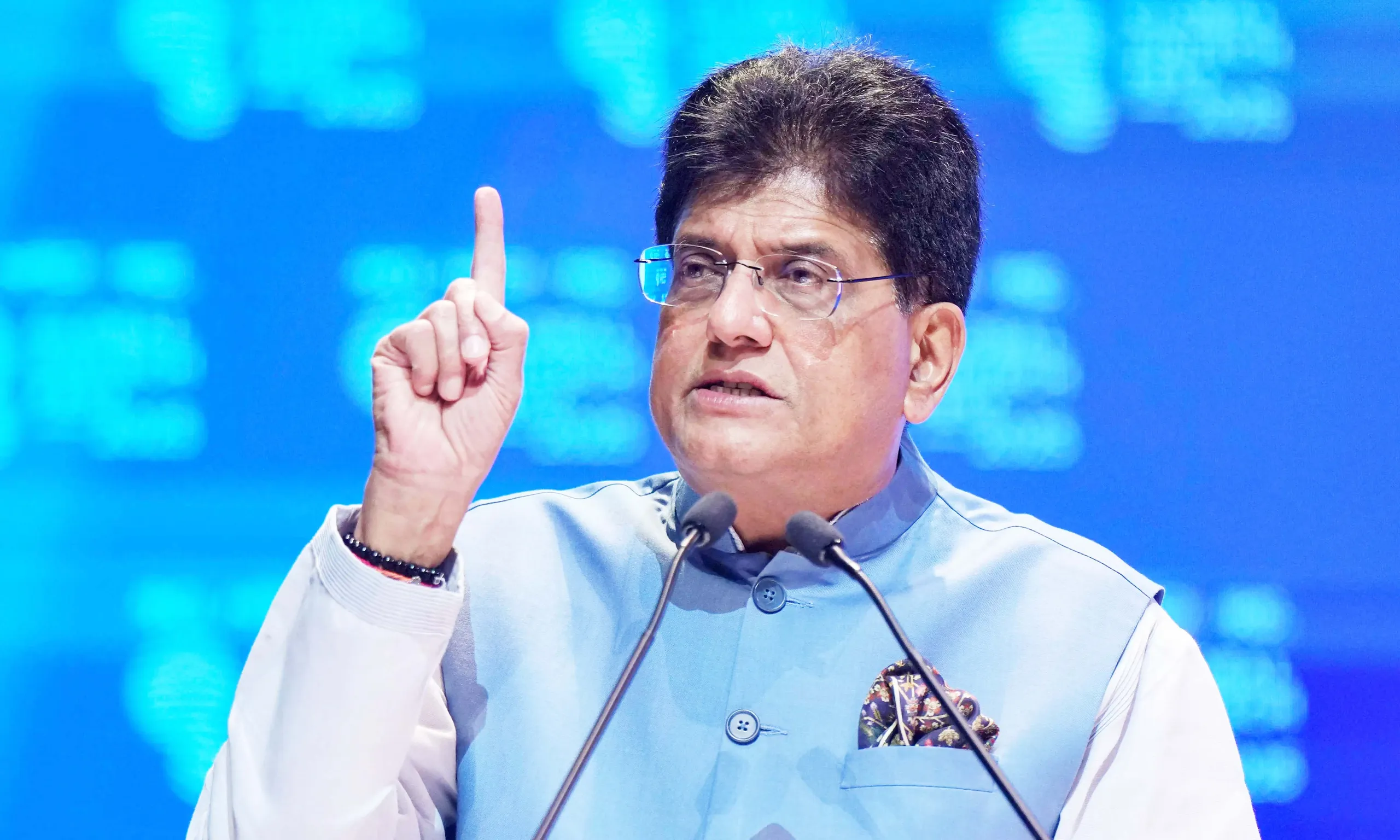
Piyush Goyal
The India-New Zealand Free Trade Agreement (FTA) represents a strategic and significant milestone in Prime Minister Narendra Modi's trade diplomacy, creating revolutionary opportunities for employment, increased investment, and small businesses, students, women, farmers, and youth across India.
This agreement, jointly announced by Prime Minister Narendra Modi and New Zealand Prime Minister, the Honorable Christopher Luxon, is the seventh FTA to be concluded under the Modi government and the third major trade agreement to be completed in 2025, following historic and mutually beneficial agreements with the UK and Oman. Notably, all these FTAs are with developed countries with per capita incomes much higher than India's, underscoring India's growing strength and reputation in global trade negotiations.
Each agreement has been negotiated after detailed consultations with all relevant stakeholders to ensure balanced outcomes and promote genuinely mutually beneficial cooperation with the developed world.
Jobs, Growth, and Market Access
A central pillar of this FTA is job creation. New Zealand will provide duty-free access to 100% of Indian exports, greatly benefiting labor-intensive sectors such as textiles, leather, garments, footwear, marine products, gems, and jewelry, handicrafts, and engineering equipment. This will directly benefit Indian workers, artisans, women entrepreneurs, youth, and MSMEs.
India has also secured its best-ever market access and services offerings, covering 118 services sectors, including telecommunications, construction, IT, financial services, travel, and tourism. This expanded access will create vast employment and growth opportunities for Indian professionals and businesses.
Opportunities for Professionals, Students, and Youth
The agreement further facilitates entry and stay for Indian professionals and students in New Zealand. It provides opportunities for working during studies, post-study employment, and an organized working holiday visa framework.
STEM graduates and postgraduates can now work for three years, while doctoral students can work for four years. This will provide Indian youth with unparalleled global experience and new career pathways. Additionally, a new temporary work entry visa has been introduced to further support skilled Indian professionals seeking international opportunities.
Path to Prosperity for Farmers
Prime Minister Narendra Modi's vision is clear: Indian farmers must play a dignified and effective role on the global stage. This FTA reflects that commitment in action.
The agreement establishes agricultural production partnerships, including apples, kiwis, and honey, aimed at increasing domestic production and farmers' income. Furthermore, New Zealand has also committed to providing geographical indication (GI) protection for Basmati rice, which will be a significant support for Indian rice cultivators.
Crucially, India has provided full protection to sensitive sectors such as rice, dairy, wheat, soy, and other critical agricultural products, avoiding any market opening that could harm domestic employment and farmers' interests.
Modern FTAs and Investment Promises
Today, India's FTAs are not limited to just tariff reductions but have become effective instruments for creating new opportunities for farmers, MSMEs, women, and youth, while also ensuring the full protection of national interests.
Under various trade agreements, Indian exports receive immediate or rapid tariff relief, while India opens its market in a phased and balanced manner. New Zealand has committed to $20 billion in foreign direct investment (FDI) over the next 15 years, aligning with modern investment provisions included in India's agreements with EFTA partner countries Switzerland, Norway, Iceland, and Liechtenstein.
This is a significant leap for New Zealand in terms of direct investment in India. Over the past 25 years, New Zealand has invested approximately Rs 643 crore in India, while the new commitment translates to approximately Rs 1.8 lakh crore over the next 15 years. This extraordinary increase is backed by a claw-back mechanism to ensure appropriate action if investment targets are not met.
A significant portion of this investment will be spent on agriculture, dairy, MSMEs, education, sports, and youth development, ensuring holistic and inclusive growth.
India's First Woman-Led FTA
This agreement is also a historic milestone, as it is India's first FTA to be negotiated under the leadership of women. The chief negotiator, deputy chief negotiator, heads of goods, services, and investment sectors, and even the Indian Ambassador to New Zealand, were all women, indicating that capable and dignified Indian women are increasingly taking on leadership roles in driving Prime Minister Modi's development agenda.
India's FTA Strategy
The India-New Zealand FTA exemplifies India's clear strategy of partnering with developed economies that open their markets for Indian products without unfair competition to India's labor-intensive industries. Under the Modi government, trade agreements are not just transactional but part of a broader mission to strengthen the economy and improve the lives of the Indian people, especially the most vulnerable sections.
This strategy has transformed India from being considered one of the "Fragile Five" economies in 2014 to becoming a major driver of global growth and a preferred trade and investment partner worldwide today.
India now negotiates with confidence and strength, ensuring that agriculture, dairy, and other sensitive sectors are fully protected, and agreements are concluded only when they are genuinely mutually beneficial.
A Welcome Change in Trade Governance
India's current trade approach is vastly different from past practices. Earlier trade strategies often recklessly opened Indian markets to cheap imports, endangering small businesses and employment, with little consultation. Prime Minister Narendra Modi's decisive leadership has restored India's global stature, reputation, and negotiating power.
The India-New Zealand FTA, which has received widespread acclaim from Indian industry, is a result of this welcome change in governance since 2014.
By integrating goods, services, investment, and people's movement, while ensuring the full protection of national interests, this agreement reflects India's modern, comprehensive, and balanced trade diplomacy. As economic cooperation between India and New Zealand deepens, this FTA demonstrates how trade can promote not only market access but also human-centered development and shared prosperity across borders.
(The author is the Union Minister of Commerce and Industry)