Sonpur Fair: Tour package starts from 900 rupees – tourists get special discount

Policy 2026 has been prepared. He clarified that the decision on where and how much silt will be removed from the rivers will be made by the Water Resources Department based on technical studies and scientific review.
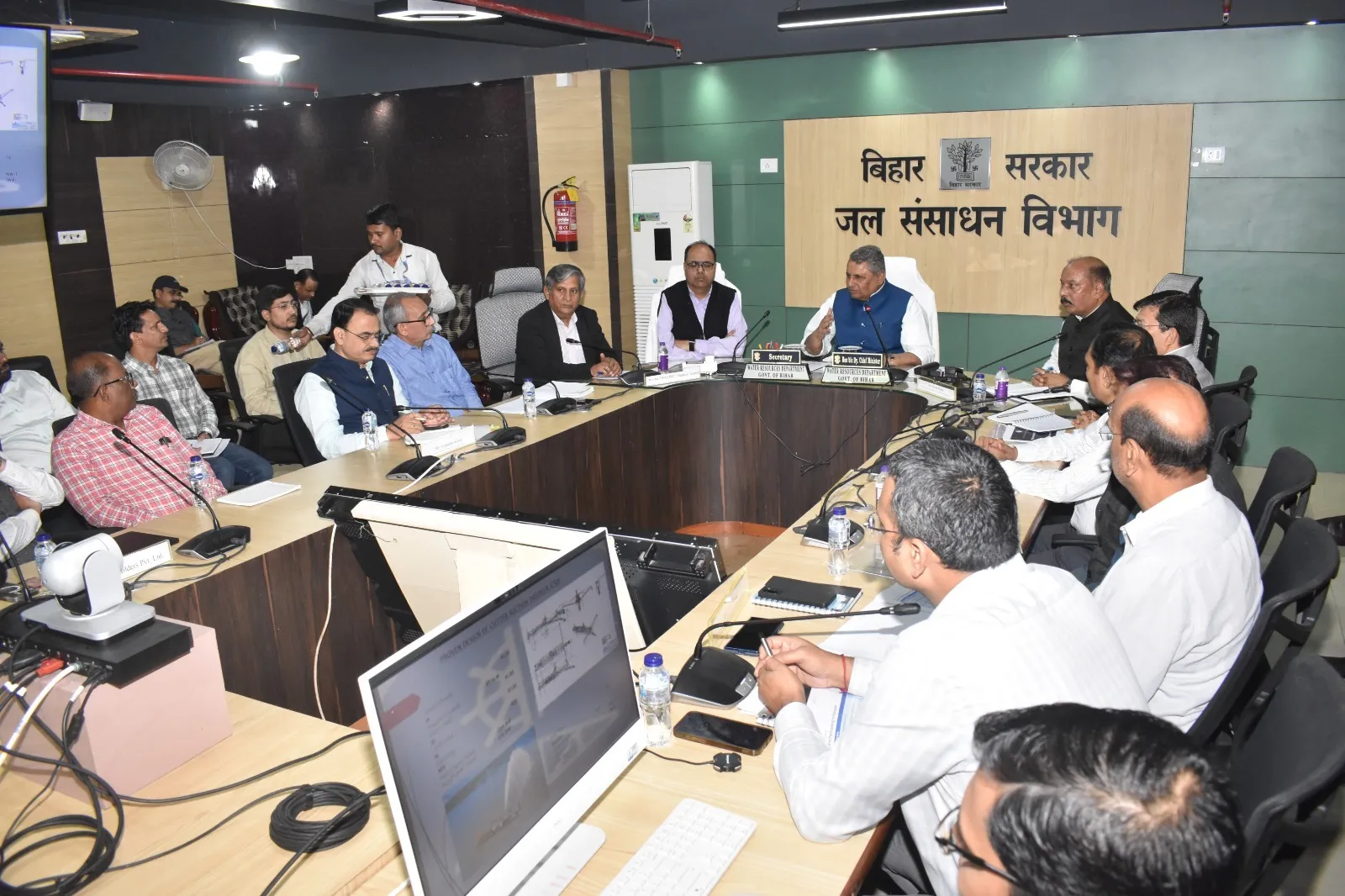
Patna: The Water Resources Department has initiated preparations to systematically remove silt and sandbars from rivers to mitigate flood risks and enhance the water-carrying capacity of rivers in Bihar. In this regard, an important meeting was held today at the Irrigation Bhawan, presided over by Deputy Chief Minister and Water Resources Minister Vijay Kumar Choudhary, attended by representatives of 12 companies involved in dredging and barge preparation, including Arvind Kumar, Director of the Inland Waterways Authority of India. During the meeting, various companies presented detailed presentations on the technical use of dredging, silt removal, and barges for flood management. On the occasion, Deputy Chief Minister Vijay Kumar Choudhary stated that the accumulation of silt and the formation of sandbars (Shoals) in Bihar's rivers affect the direction and nature of water flow. As a result, the risk of erosion increases on banks, riverbanks, and sensitive locations. He said that silt is a problem in some places but beneficial in others. To address this challenge, the state government has prepared the Bihar Water Resources Restoration and Silt Management Policy 2026. He clarified that the decision on where and how much silt will be removed from the rivers will be made by the Water Resources Department based on technical studies and scientific review. He appealed to the concerned agencies to present practical and effective technical solutions in this regard and assured that the department would provide necessary cooperation. The department's Secretary, Dr. Chandra Shekhar Singh, said that dredging and silt removal work will be formally included in the upcoming flood management plan. For this, locations where silt removal can increase the water-carrying capacity of rivers will be identified through surveys and technical studies. He said that arrangements will also be made for the safe transport of the removed silt and its scientific disposal at designated locations. The use of barges (Barge) may prove important in this work, through which, in addition to silt transfer, machinery, equipment, and construction materials can also be transported to various locations. The Secretary stated that the main objective of the meeting is to identify and finalize a list of competent and experienced agencies for flood-related work, including dredging and silt removal, so that their services can be availed as needed before and during floods. In the selection of agencies, importance will be given to the availability of modern machinery, operation of equipment, maintenance, and the ability to work promptly in emergency situations. The department's technical advisors Manoj Raman, Roinder Shankar, I.C. Thakur, Engineer-in-Chief Varun Kumar, and other officers were present at the meeting.
admin