Soil testing laboratories to be established in 629 schools across all 38 districts
The state government is taking continuous measures for the welfare and independence of persons with disabilities. Implementation of relevant laws and regulations is being ensured to protect their rights and provide equal opportunities in every field of life. They stated that various government buildings and premises have been made accessible under Sections 40 to 46 of Chapter 8 of the Rights of Persons with Disabilities Act, 2016, with the aim of creating a barrier-free environment for persons with disabilities.
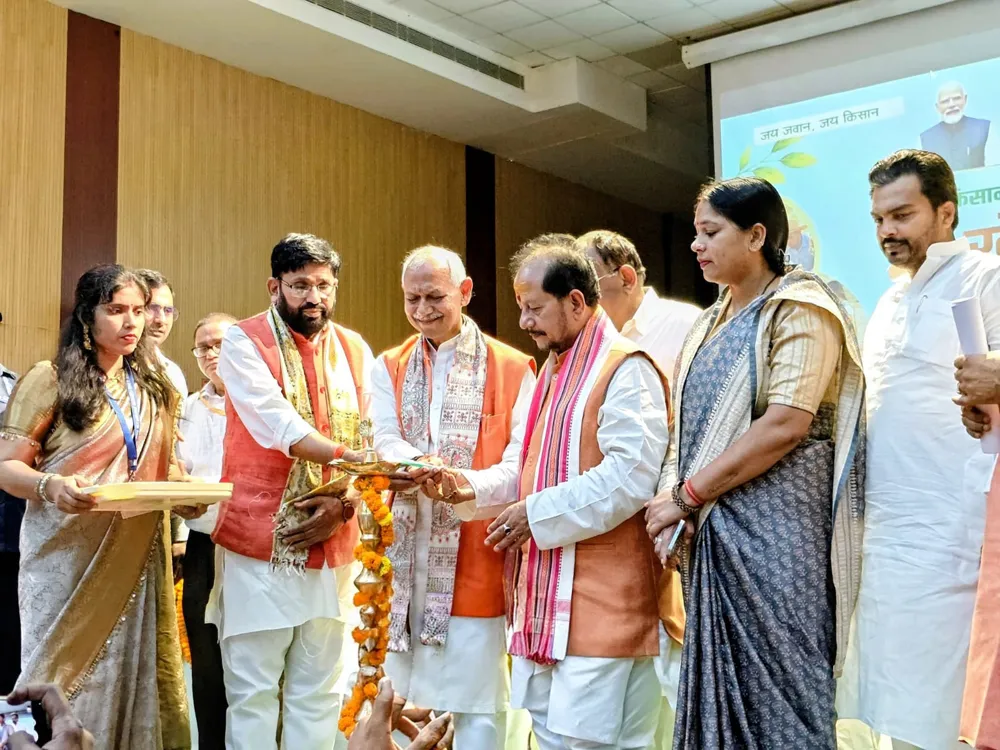
Patna, 2 November (ABN): To protect the younger generation from the curse of addiction, to turn the anti‑drug campaign into a public movement, and to strengthen the system of treatment and rehabilitation for affected individuals, the Department of Social Welfare under the Bihar government organized a state‑level workshop on the theme “Quit Drugs, Connect Life” at the Darasth Manjhi Auditorium, Patna. The workshop was inaugurated by the Secretary of the Department of Social Welfare, Vinod Singh Ganjial. On the occasion, he said that the younger generation should play a role in building and developing the country, not become a source of distress for the nation and society. Implementing the objectives of the “Nasha Mukt Bharat Abhiyan” in accordance with Bihar’s ground realities and ensuring strict enforcement of it are among the government’s top priorities. He said that drug addiction has become a serious national issue, whose effects are being felt not only by the youth but also by their families and the entire society. The workshop primarily focused on three key topics: “Nasha Mukt Bharat Abhiyan”, reducing the burden of disability through early intervention, and “Sangam Bharat Abhiyan” (Accessible India Campaign). The suggestions and opinions gathered from the workshop will be forwarded to the central government so that an effective policy can be formulated at the national level. On the occasion, the Managing Director of Women and Child Development Corporation, Anayat Khan, Director of Social Protection Dr. Preeti, and Director of Directorate of Empowerment of Persons with Disabilities, Anjali Sharma were also present. Speaking at the workshop on treatment and rehabilitation under the “Nasha Mukt Bharat Abhiyan”, Director of Social Protection Dr. Preeti presented the progress of the campaign and the details of the activities underway. She said that the concept of social protection is not limited to providing pensions to the elderly, disabled, and widows, but it also includes protecting every segment of society from these serious risks that can destroy their lives and families. Today, the addiction of drugs has become a major challenge for youth and families. She said that when a young or earning member of a family falls into the grip of addiction, the entire family suffers from economic and mental distress. Therefore, through NAPDDR and “Nasha Mukt Bharat Abhiyan” (NMBA), one side is running awareness campaigns to prevent addiction, while the other side is taking steps for the treatment and rehabilitation of those affected by addiction. Dr. Preeti, while directing the regular monitoring of awareness programmes in district offices, said that activities such as “Nikar Naatak”, “Kla Jatha”, digital media, e‑platforms, and offline oath‑taking are being carried out to spread the anti‑drug message effectively. She emphasized that the publicity and awareness work of these programmes should be made more effective by the relevant officers. She informed that currently 13 drug‑abandonment centres are operating in Bihar, which are run by non‑governmental organisations under the direction of the Ministry of Social Justice and Empowerment. These centres are monitored by the State Level Contact Agency (SLCA), while financial assistance from the central government is provided directly to the relevant NGOs. Dr. Preeti further explained that a state‑level committee chaired by the Chief Secretary of Bihar has been formed to effectively implement the activities under the “Nasha Mukt Bharat Abhiyan”, coordinate among various departments, and conduct regular reviews and monitoring. In addition, a district committee chaired by the District Magistrate and block‑level committees chaired by the Block Development Officer have also been established.
He appealed to the officers participating in the workshop to ensure full implementation of the campaign, understanding its sensitivity and importance. 44,755 buildings have been made accessible for persons with disabilities. Addressing the workshop, Director Directorate of Empowerment of Persons with Disabilities Anjali Sharma said that the state government is continuously taking steps for the welfare and autonomy of persons with disabilities. Measures are being taken to enforce relevant laws and regulations to protect their rights and provide equal opportunities in all spheres of life. She explained that under Sections 40 to 46 of Chapter Eight of the Persons with Disabilities Rights Act 2016, various government buildings and premises have been made accessible to create a barrier‑free environment for persons with disabilities.
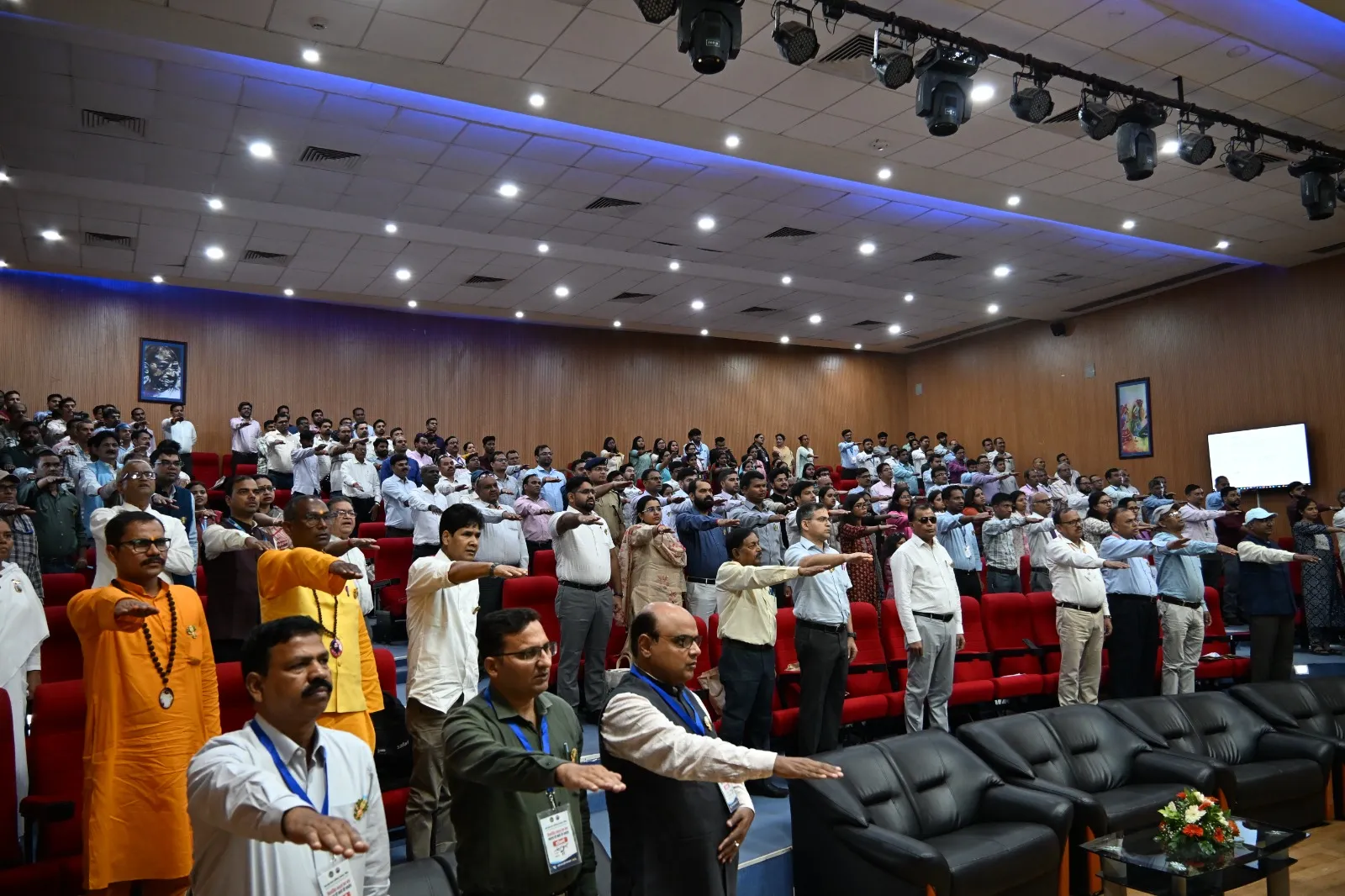
Under the central government’s SIPDA scheme, Bihar State Educational Infrastructure Development Corporation Limited and the Department of Building Construction have provided barrier‑free facilities in three government educational buildings. She said that so far, approximately 44,755 buildings in the state have been made accessible for persons with disabilities. Likewise, steps have been taken to make the transport system and web portals accessible, and so far 45 websites have been adapted for use by persons with disabilities. Anjali Sharma explained that the Department of Education provides special educational tools such as Braille printed material, Braille slate, abacus, and tailor frame to children and students with special needs. Additionally, the situation of accessible facilities at public places is periodically reviewed. In this regard, during 2025 and 2026, key public places in the state were audited for accessibility through the ‘Yes to Access’ app. She further mentioned that due to the limited number of district‑level early intervention centres (District Early Intervention Centre), children with disabilities and developmental delays in remote areas face difficulty in obtaining necessary services. To solve this problem, the Department of Social Welfare plans to provide early intervention services to needy children through foundation centres operating in all 101 sub‑divisions of the state. Experts presented proposals on various topics, and experts provided detailed information and presentations to officers and participants on different subjects. These included Dr. Shambhu, Ms. Ptnah, Dr. Uma Shankar Sinha, Dr. Ashok Kumar Sinha, B.K. Sniha Raj (Brahma Kamariz, Ptnah), Sanjeev Kumar (Deviya Jyoti, Ptnah), Namita (Art of Living, Ptnah) and Fazl Rabani Siddiqi (SCM). On this occasion, officers and employees of the Directorate of Social Security, Directorate of Empowerment of Persons with Disabilities, and SCM were also present. Finally, Deputy Director Social Protection Gayatri Kamar said thanks. Nisha Mukt Bharat’s oath. At the end of the workshop, participants took an oath under Nisha Mukt Bharat that youth are the symbol of any country’s energy and strength, and play an important role in the development of society and the country. Therefore, they will not only keep themselves but also their families, friends, and society away from addiction, and will fulfil their responsibility in making their district, state, and country drug‑free. Their resolve was that the struggle against addiction will be advanced with public partnership.
Editor in Chief