Pune Metro expansion will give new momentum to the city's development: Narendra Modi
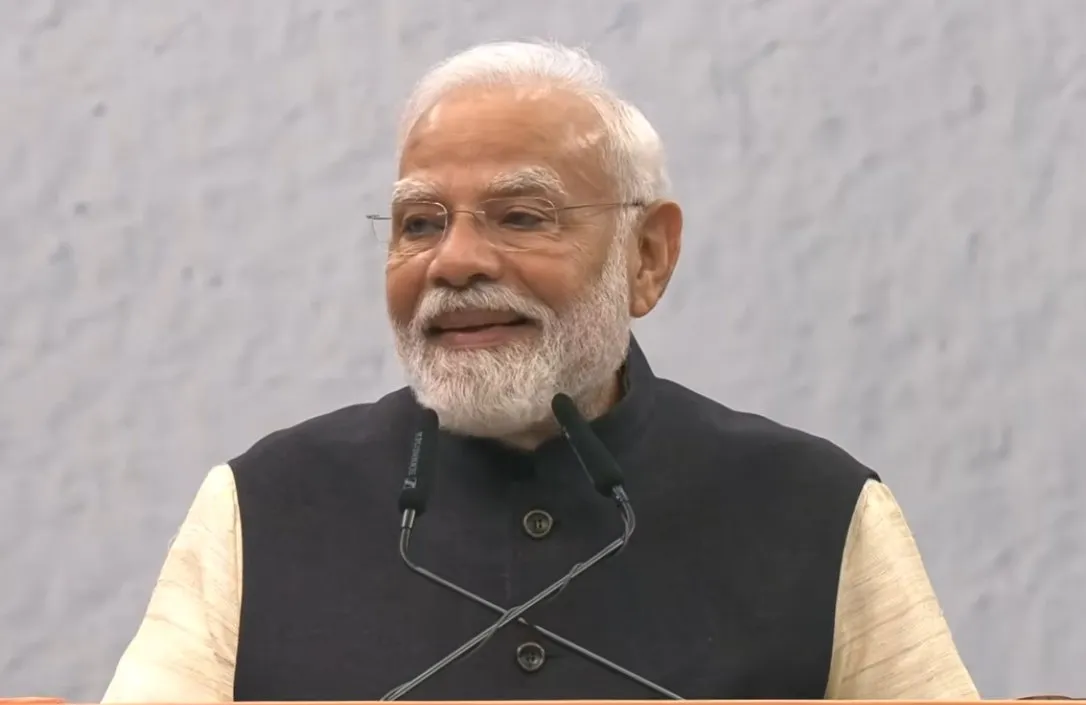
The increasing number of passengers in the metro reflects the growing role of public transport in meeting the travel needs of India's rapidly urbanising population.
Prime Minister Narendra Modi, highlighting the rapid expansion of the metro rail network in the country since 2014, said on Thursday that the operational metro network has grown from 248 km in five cities to nearly 1,200 km in 26 cities. He stated that over one crore passengers are availing of metro services daily.
Referring to the changes in urban public transport, Mr. Modi said on social media platform X that if the pace of metro network expansion prior to 2014 had continued, many cities, including Pune, would have had to wait for years, even decades, to avail of the metro facility. Questioning the pace of infrastructure development, he said, “I want to ask you: if India's metro network had continued to grow at the same pace as it did before 2014, how long would cities like Pune have had to wait to get the metro facility? Years... no... perhaps decades, and that was unacceptable.”
The Prime Minister said that in 2014, only five cities in India had 248 km of metro lines in operation, whereas since then, the network has expanded to nearly 1,200 km in 26 cities. He noted that the number of daily metro passengers has also crossed one crore. This reflects the growing reliance of urban commuters on this mode of public transport.
The Prime Minister said that the expansion of the metro network is not limited to increasing the length of rail lines or the number of passengers, but also aims to improve the daily quality of life of people in cities. He said, “It means spending less time in traffic, spending more time with family, increasing productivity, and accessing better opportunities.” In the face of increasing traffic pressure, longer travel times, and the growing need for reliable public transport in India's rapidly developing cities, metro rail has emerged as a key part of the urban transport strategy. Delhi was among the first cities where an extensive metro network was developed. However, over the past decade, the metro network has been extended to several other cities, including Pune and many others where the metro facility was not previously available. Along with the expansion of the metro network, efforts have also been made to integrate it with the broader urban transport system. The aim is to provide passengers with faster and more reliable travel facilities compared to private vehicles.
The increasing number of passengers in the metro reflects the growing role of public transport in meeting the travel needs of India's rapidly urbanising population.
Mr. Modi's comments aimed to link the expansion of metro connectivity to his government's broader development vision. He described investment in urban infrastructure as a means to boost productivity, reduce daily hardships for commuters, and improve the overall quality of life in Indian cities.
admin