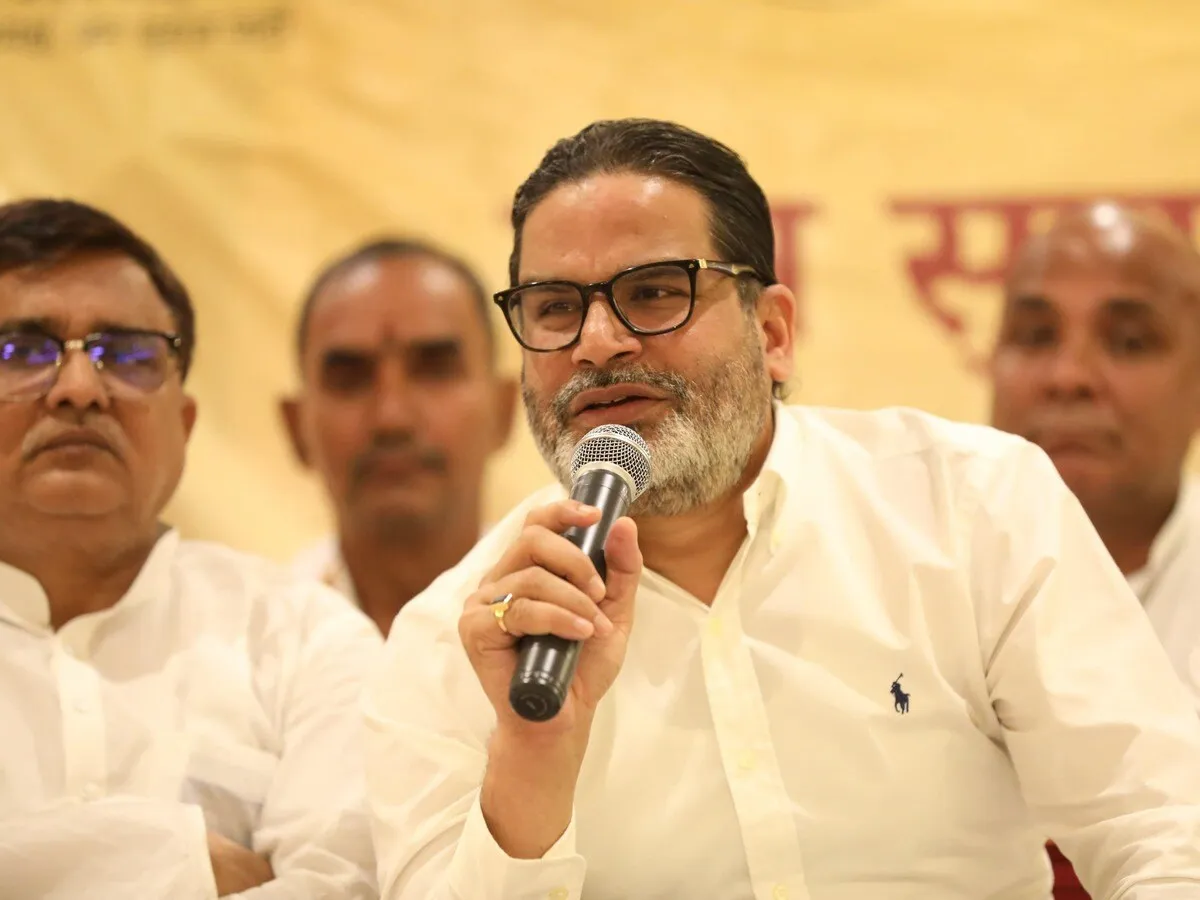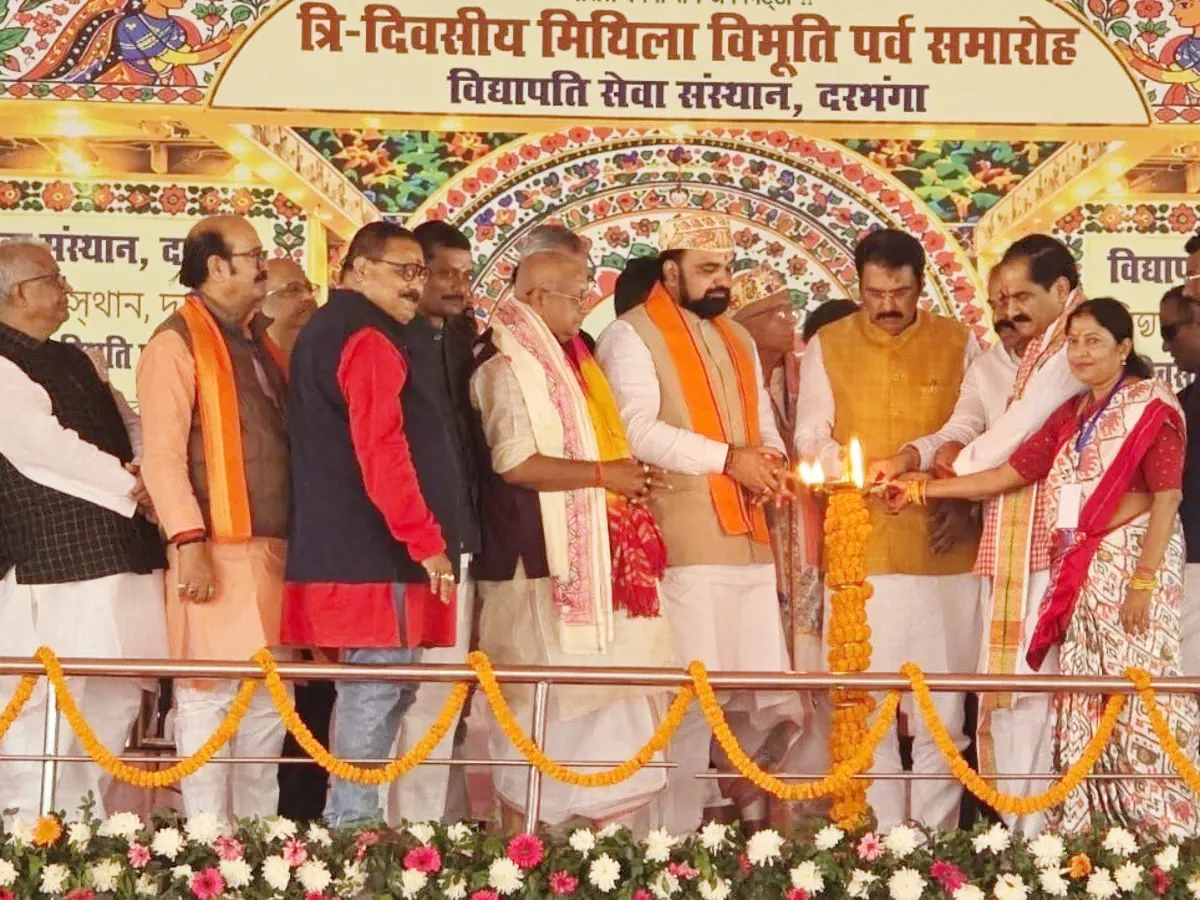
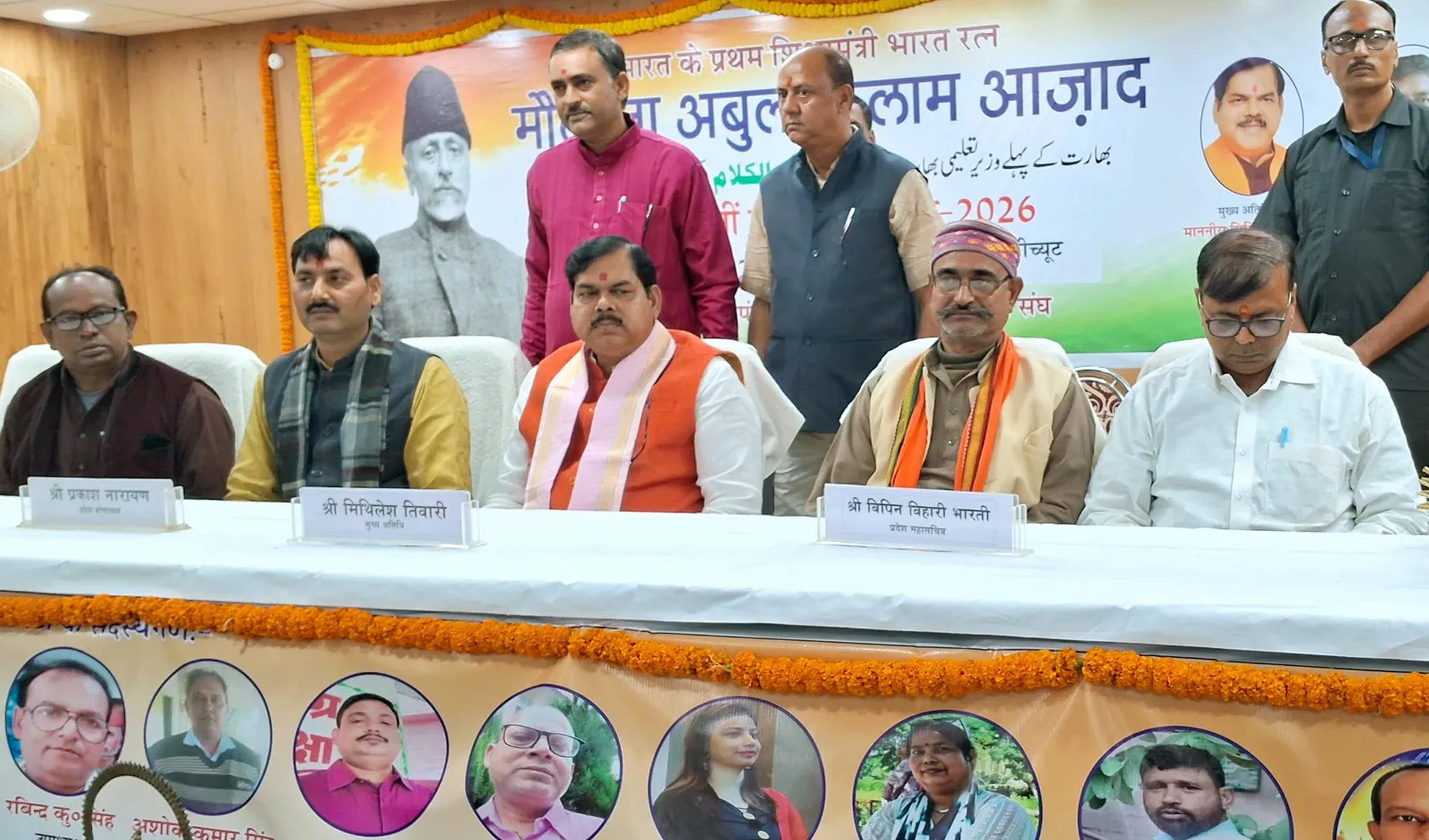
Maulana Azad considered free education an effective means of social change and nation building: Metliss Teewari
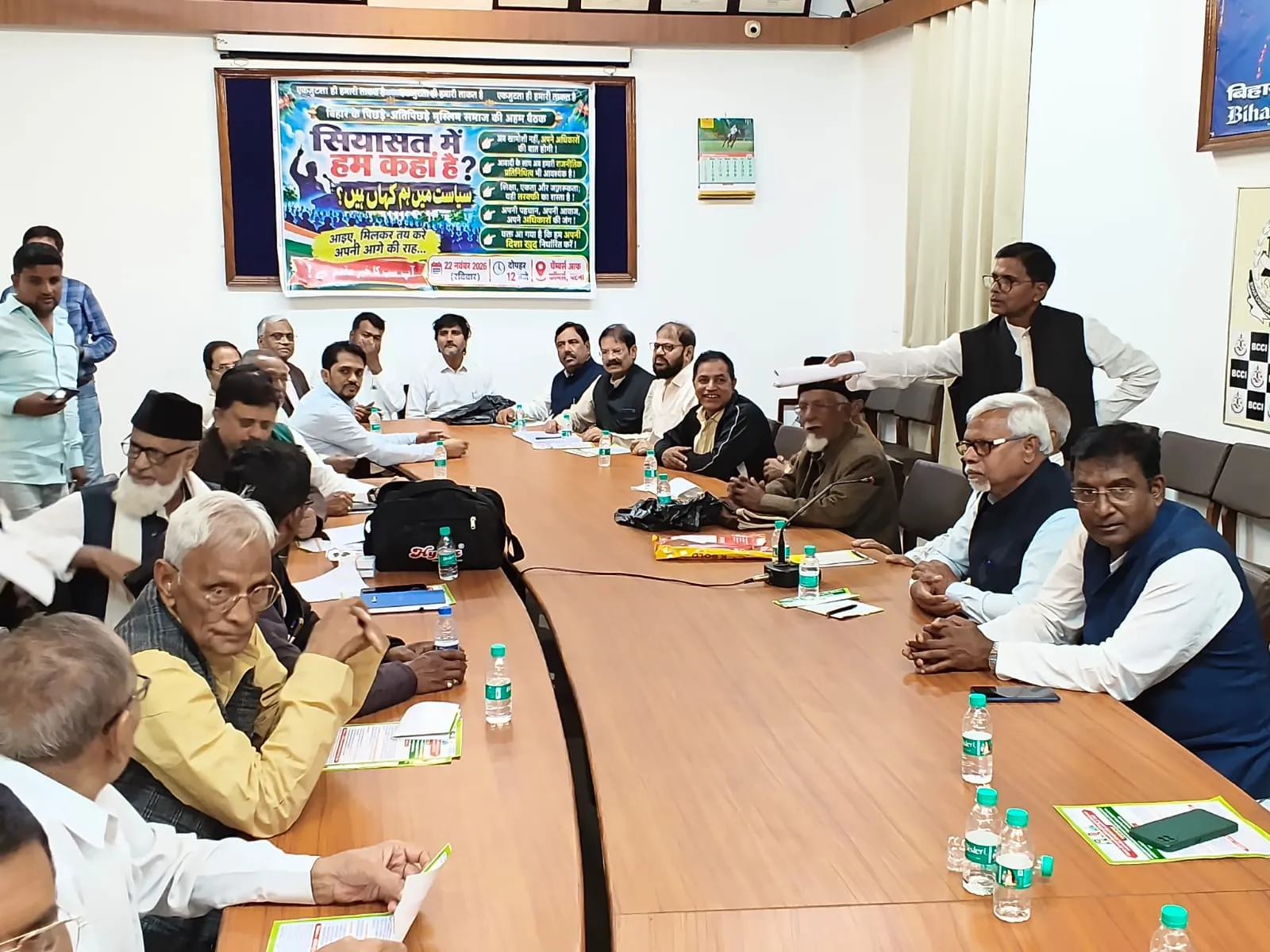
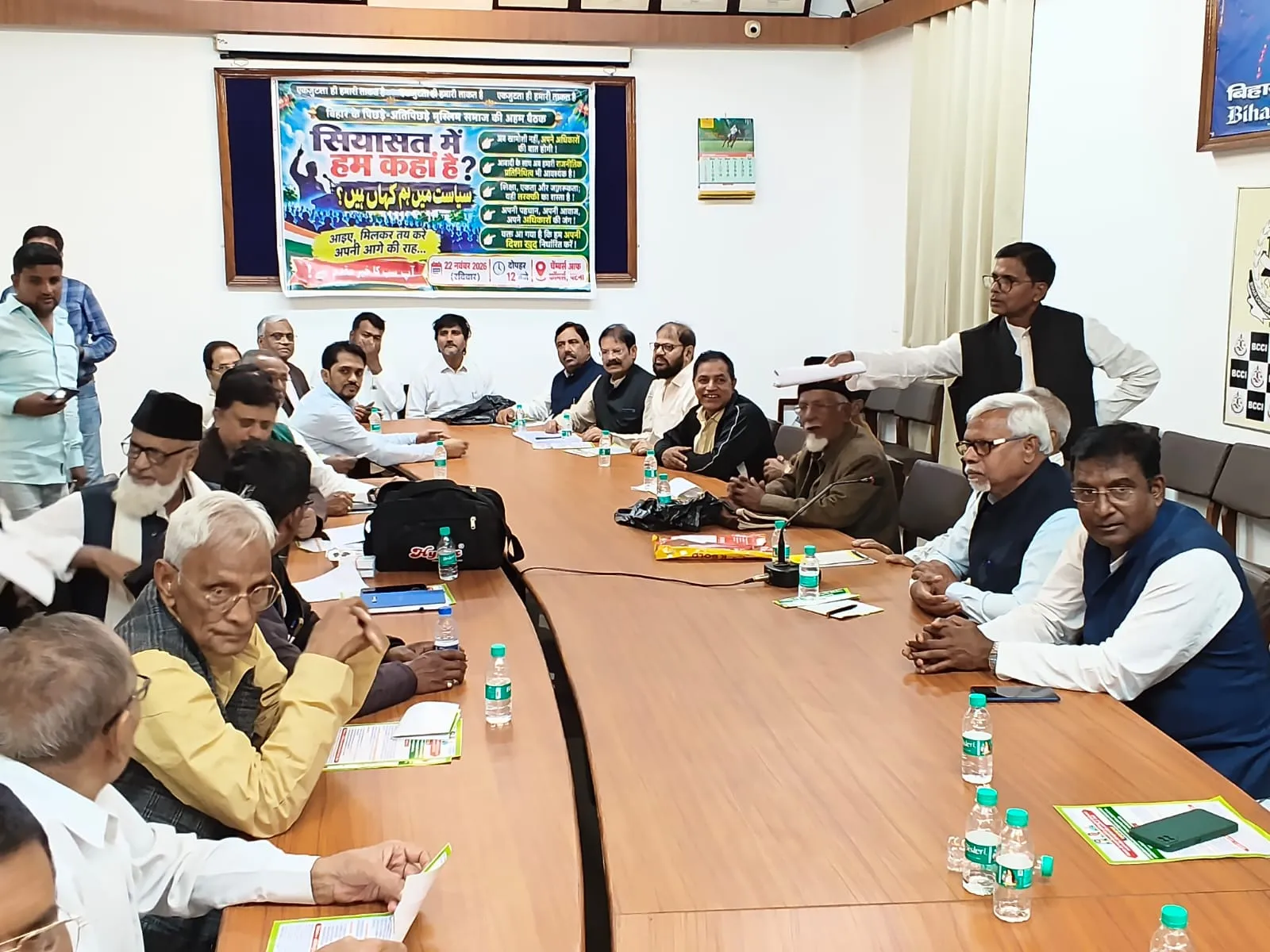
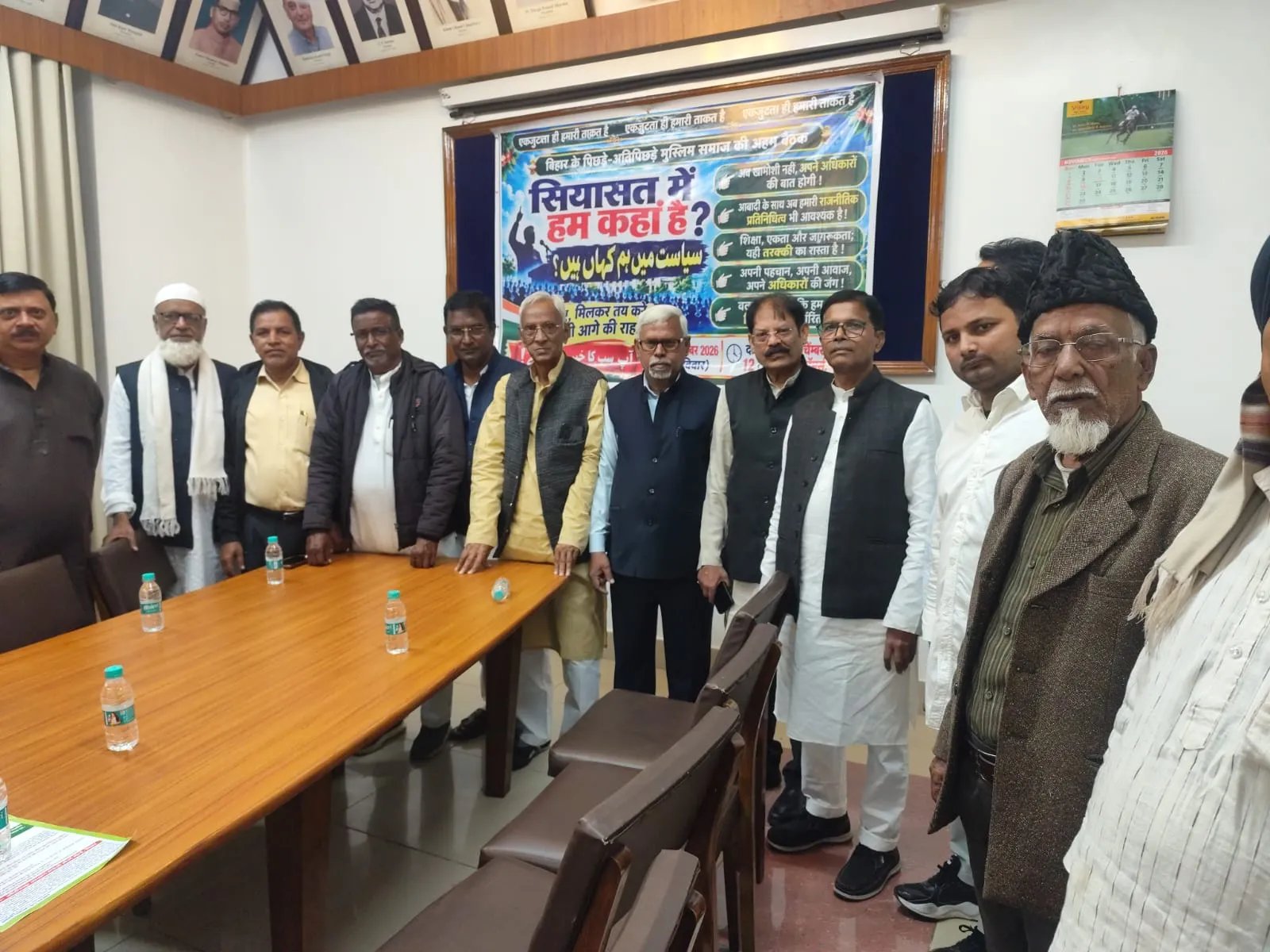
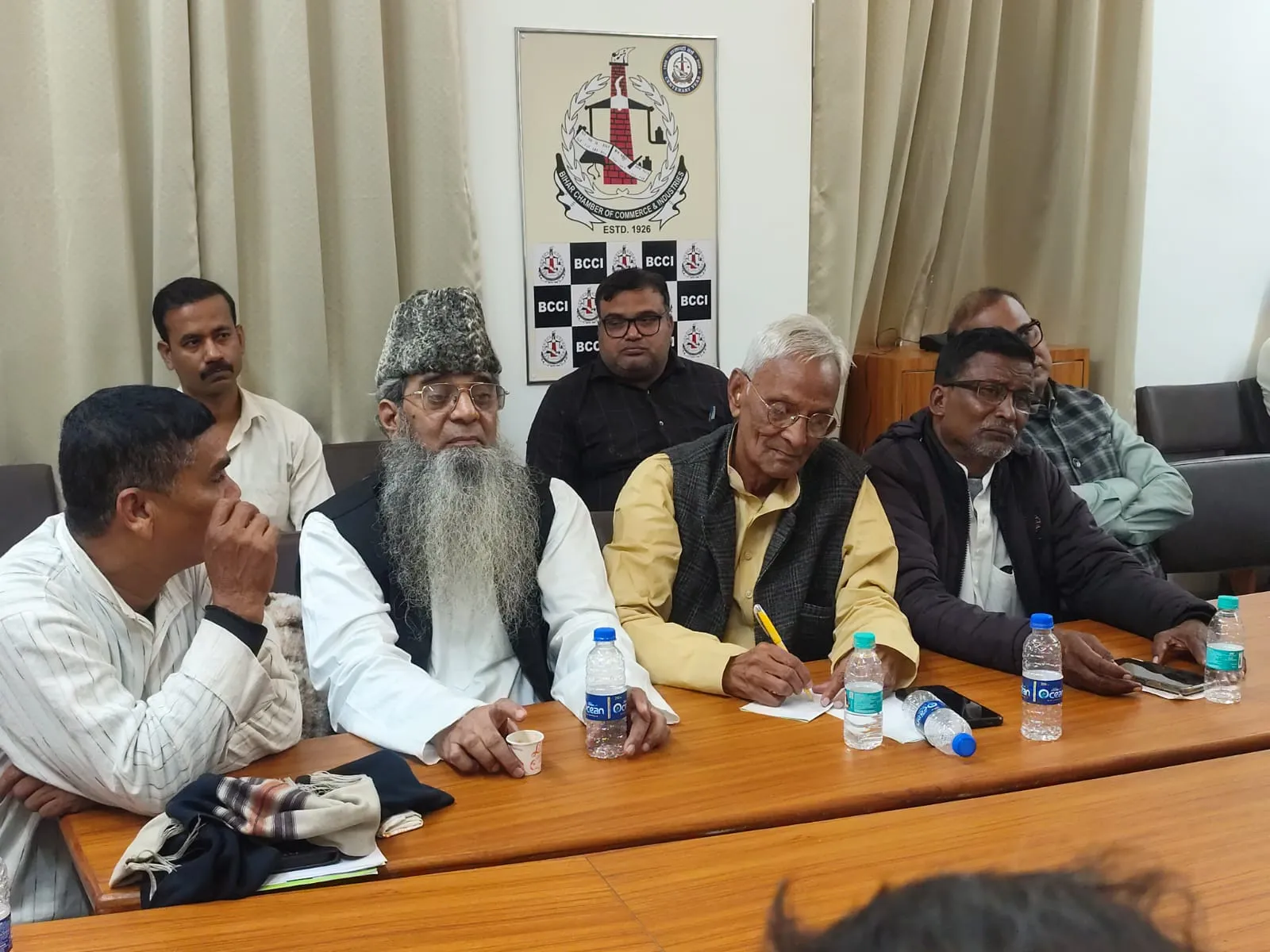
State-wide meeting in Patna emphasizes unity and educational awareness; resolve to launch contact campaign in all 38 districts
A significant initiative was launched at the state level in Patna to organize the Extremely Backward Muslim society in Bihar socially, educationally, and politically, and to ensure its political participation in proportion to its population. Social workers, scholars, educationists, lawyers, retired officers, public representatives, and conscious individuals from various districts of the state participated and held detailed discussions on the current situation of the society, political deprivation, and future strategies. Special concern was expressed in the meeting that despite having a population of approximately 17 percent, Extremely Backward Muslims do not have proportional representation in social, educational, and political spheres. Speakers clarified that the time has come to unite the society and convert its collective strength into an organized voice.
It was agreed in the meeting that instead of individual efforts, collective leadership, strong organization, and continuous contact are needed to improve the social, educational, and political situation of the Extremely Backward Muslim society. In this regard, proposals were put forward to launch a contact campaign in all 38 districts of Bihar, establish coordination among various social organizations and community institutions, prioritize education, employment, and social awareness, and prepare youth for social and political leadership. Additionally, emphasis was placed on presenting the true situation of the society based on data and authentic facts, demanding appropriate representation in various institutions including the Assembly, Legislative Council, Lok Sabha, and Rajya Sabha before political parties, and holding such meetings in the future to prepare a common strategy.
Presiding over the meeting, Arshad Fareez, former Chairman of the Urdu Government Library, said that the Extremely Backward class needs to be awakened and every possible effort must be made to secure their rights. He said that first, we must create unity within ourselves and all people must work together to move this caravan forward. We must reach out to every individual in the society and make them aware of their population and current situation. They must be told why our society is lagging in social, educational, and political spheres despite maintaining a proportionate share in the population. Arshad Fareez said that to achieve this goal, we must go to all districts of Bihar to convey our message to people and awaken them to their rights. Until every individual in the society is associated with this struggle, it is difficult to achieve collective objectives.
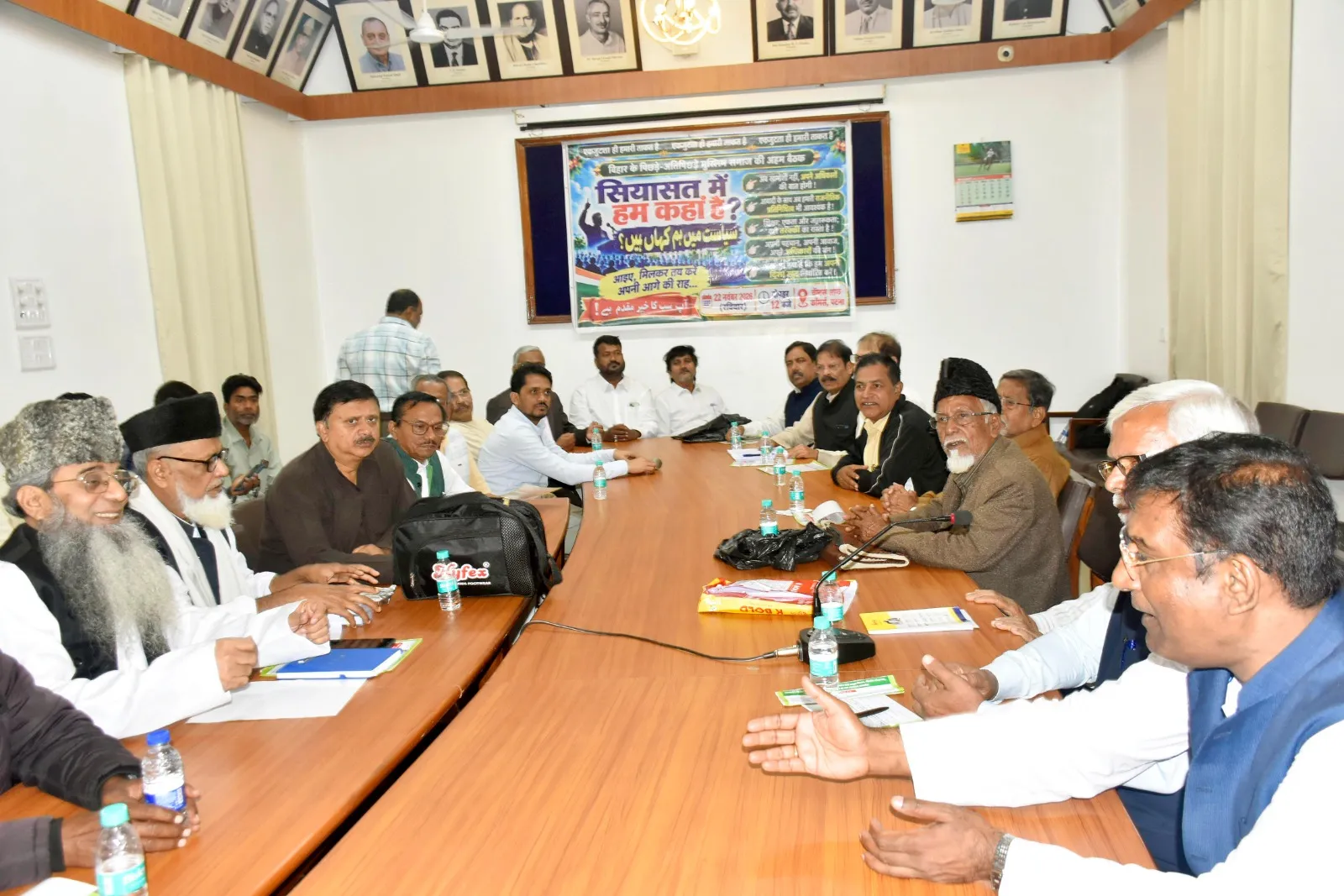
Salim Parvez, Chairman of the Bihar State Madrasa Education Board, said that we all need to sit together and decide how we will take steps to recover our rights, for which a permanent plan of action must be prepared. We still have time, and there is also a need to take steps towards political participation. We must sincerely follow in the footsteps of our predecessors.
Hafiz Imam-ul-Din, Amir of Amarat Ahl-e-Ansar, said that the biggest need of the Extremely Backward Muslim society is mutual unity. Until people come together on one platform, moving beyond petty differences, grievances, and the limited circles of communities, their collective voice cannot be strong. He said that we must come forward ourselves for our rights. No one else will come to care for our society and give us our rights. He said that all social organizations and conscious individuals must work together on a common platform; only then will we be successful, and our political grip will also become strong.
Convener Qamaruddin Bahari said that the extremely backward Muslims must take practical steps to convert their social power into political power. Change cannot be achieved merely through meetings and discussions; a strong organizational structure must be established. He emphasized the need to establish contact with people across all 38 districts of Bihar, hold district-level meetings, and launch a campaign of social and political awakening in every village. He clarified that this is not a struggle of a single individual, organization, or community, but a fight for the dignity, rights, and future of the entire extremely backward Muslim society.
Meeting secretary Muhammad Shabir Alam stated that there is a large gap between the population of extremely backward Muslims and their political participation. Despite having a large population, their representation in political institutions and key positions does not meet expectations. Political parties ask for votes from the community during elections, but when it comes to participation and leadership, they are not given an appropriate place. To change this situation, society must unite and present its demands. He said that our demand is not against anyone, but to obtain appropriate political representation based on population and social conditions under democratic principles. It is necessary to ensure proportional participation in the assembly, legislative council, Lok Sabha, Rajya Sabha, and various commissions and institutions.
Professor Abdul Waheed Ansari, calling education the strongest foundation for societal development, said that until educational standards improve and the new generation is awakened to their rights, it will be difficult to eliminate social and political backwardness. He also highlighted the need to focus on organizational strength, social awareness, and preparation of new leadership alongside education.
Ashraf Ansari from Motihari said that to understand the real situation of extremely backward Muslims, it is essential to reach every village and district. No major change is possible without awakening the weak and deprived sections of society. This campaign should not be limited to Patna but should take the form of a social movement across all of Bihar.
Professor Saqir Ahmed said that the true identity of any society is determined by its educational, social, and political participation. Extremely backward Muslims must assess their current situation accurately and develop a clear strategy for the future.
Wasim Ansari said that mutual brotherhood and unity are essential for strengthening society. Instead of dividing by caste and community, progress must be made with a shared social identity. Sajid Ansari said that extremely backward Muslims should awaken to their rights and firmly demand political participation based on population, social conditions, and real needs before political parties. He proposed continuing regular meetings and district-level organizational activities to advance this campaign.
The meeting was attended by retired A.D.M. Sarajuddin, President of Bihar State Muslim Conference Tanweer Ansari, renowned social worker Urfan Jamia Wala, Engineer Akhtar Hussain, National President of Political Participation Party Sharaft Hussain Naaz, District President of Common Man Party Amirullah Ansari, Alim Ansari, Nushad Ansari, Ghulam Ghaus Ra'een, Safi Ali Khan Banjara, Zahir Nat, RJD Minority Cell Patna District President Salahuddin Mansuri, Chairman Candidate of Phoolwari Sharif Mansur Ali Ansari, retired Judge Sultan Mazhar, Master Ihtesham Alam Siddiqi, Abdul Jabbir (BEO), Dr. Rizwan, Fayaz, Afzal, and Azim Muhammad Hussain Ansari, Nisar Akhtar Ansari, Jalaluddin Ansari, Naseem Akhtar, Osman Halal Khur, Sarajuddin, Muhammad Hussain Ansari, Muhammad Ali, Shafiq Ahmed, Javed Alam, Urfan Ali Jamia Wala, Muhammad Shahid Alam, and many other distinguished individuals from various districts of Bihar.
The meeting concluded with a resolve to continue the collective struggle for unity, brotherhood, and the attainment of rights. Participants agreed that society must recognize the strength of its population, eliminate mutual differences, and unite for education, organization, social dignity, and political participation. The core message of the meeting was that unity, education, and organized collective effort are indispensable for the society's progress.
admin