Chief Minister inspects Ganga ghats for Chhath festival preparations
Establishment of Gobar Dhun units in various districts a source of self-reliance for Jeevika women
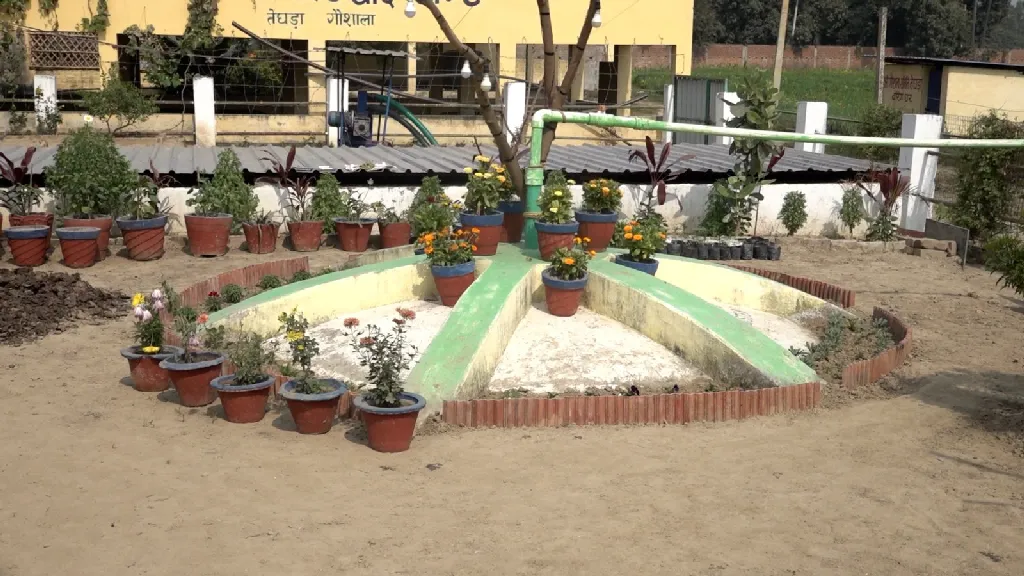
Patna, November 5: (ABN) The Gobar Dhun project is playing a vital role in advancing cleanliness, environmental protection and women empowerment in rural areas. The biogas plant scheme established in the Bruni-2 Gram Panchayats of Tighra block in Begusarai district has emerged as a compelling example of rural self-reliance. Here, biogas is being produced from cow dung, providing clean fuel to rural households, while the resulting slurry is being used as organic manure. Minister of Rural Development Sharan Kumar said that it is proving to be a unique means of promoting cleanliness and green energy.
Established at a cost of approximately 50 lakh rupees under the Swachh Bharat Mission (Rural) and Lokiya Swachh Bihar Abhiyan, the plant has a capacity of 2 metric tonnes per day. The plant is equipped with a modern dewatering plant that separates water and solids from the slurry after biogas production. The liquid slurry is used as manure in fields, while the solid dung is dried to prepare quality organic manure. This is helping farmers reduce their dependence on chemical fertilizers and increase soil fertility.
The most notable feature of this project is that the entire responsibility of operating and managing it lies with the women of the Jeevika Village Organization. The Jeevika women have received specialized training in the technical operation, maintenance and management of the plant. This is providing rural women with local employment opportunities and regular income.
Biogas from this plant is being supplied to approximately 22 nearby households and 5 shops through pipelines. This provides rural households with affordable and eco-friendly fuel. According to LBSA District Advisor Aftab Alam, the biogas produced through the equipment is being used by local families for cooking.
According to District Coordinator Vishwajeet Kumar, the sale of biogas generates a monthly income of approximately 10,000 to 12,000, and the sale of organic manure generates an income of 2,000 to 2,500. After covering operational expenses including the supply of dung and electricity, the remaining funds are providing economic benefits and employment to the Jeevika women.
In Bruni-2 Panchayat, this initiative has also reduced the problem of dirt and odor caused by the uncontrolled accumulation of dung in public places and cattle shelters. Thus, this project presents an effective model of cleanliness, waste management, alternative energy, organic farming and women's economic empowerment.
It is noteworthy that 38 Gobar Dhun units have been established so far in various districts of the state under the Gobar Dhun Yojana, which are part of the Swachh Bharat Mission (Rural) and Lokiya Swachh Bihar Abhiyan. These units are contributing to better management of organic waste, production of clean energy and strengthening the rural economy in rural areas.
In this regard, Minister of Rural Development Sharan Kumar said that the establishment of biogas plants under the Gobar Dhun project is the result of the far-sighted thinking of our respected leader and former Chief Minister Nitish Kumar and the Samrat government. The government is committed to promoting cleanliness, green energy and women empowerment in rural areas. The successful operation of the plant by the Jeevika women in Bruni-2 Panchayat is a prime example of women's self-reliance. It is providing villagers with affordable clean fuel, farmers with organic manure and women with employment and income opportunities.
admin