Act East Policy has given new momentum and depth to India-ASEAN relations: PM Narendra Modi
India and ASEAN have agreed to enhance cooperation to cope with natural disasters. Joint efforts will promote modern technology, early warning systems, training and immediate relief operations
Manila: India and the Association of Southeast Asian Nations (ASEAN) have agreed to further strengthen mutual cooperation to effectively cope with natural disasters. Under this, early warning systems, modern technology, joint exercises and immediate relief and rescue operations will be promoted to cope with natural disasters such as earthquakes, tsunamis, floods, cyclones, heatwaves and landslides.
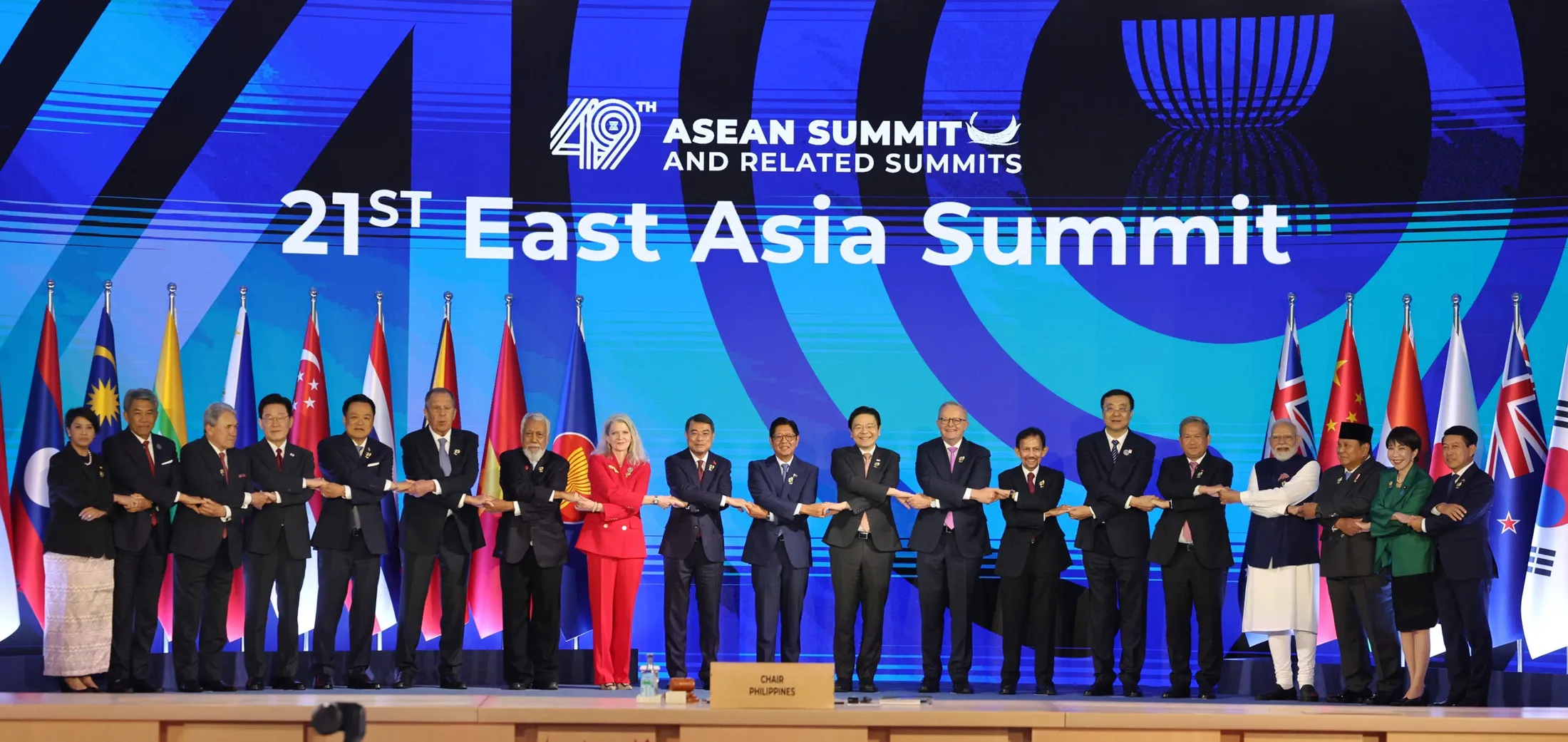
In this regard, a joint statement was issued on Tuesday on the occasion of the 23rd ASEAN-India Summit held in Manila, the capital of the Philippines. The Ministry of External Affairs of India, while issuing the statement, said that both parties will work to enhance cooperation in all stages of disaster management. These include disaster prevention, hazard identification, preparedness, relief and rescue, rehabilitation, the use of modern technology and capacity building of relevant institutions.
The joint statement said that India and ASEAN member countries face common risks from natural disasters, which have the greatest impact on the vulnerable and sensitive sections of society. Therefore, providing aid only after a disaster is not enough; it is also necessary to prepare in advance and establish effective systems to minimize potential losses.
Key areas of cooperation include strengthening early warning systems. Under this, the exchange of information related to earthquakes, tsunamis, floods, cyclones and landslides will be promoted. The capacity for early warning and hazard assessment of disasters will be improved by utilizing satellite data, earthquake monitoring and meteorological forecasts.
India and ASEAN countries will strengthen their preparedness through regular training programs, mock drills and the exchange of disaster management personnel. Cooperation will also be provided to expedite humanitarian aid and relief and rescue operations in the event of a natural disaster in a member country, based on its request or consent.
The statement also emphasized enhancing coordination between military and civilian protection agencies, while clarifying that the role of civilian administration will be fundamental in disaster management and military resources will be used as a last resort. Deeming this cooperation of strategic importance, the potential synergy between the ASEAN Agreement on Disaster Management and Emergency Response (AADMER) and India’s 'Maha-Sagar' vision was also highlighted. This could further consolidate India’s role in the field of humanitarian aid and relief during disasters in the Indian Ocean and the Indo-Pacific region.
The joint statement also emphasized the use of artificial intelligence (AI), machine learning and big data analytics. These technologies will be used to better assess disaster risks, issue timely warnings and create coordination in relief operations.
In addition, India’s National Institute of Disaster Management (NIDM) and relevant ASEAN agencies will hold joint training programs. Scholarships and technical exchanges for experts in disaster management will also be promoted. Both parties have also agreed to make post-disaster reconstruction environmentally friendly and sustainable, invest in robust infrastructure and ensure the inclusion of women, youth, the elderly and persons with disabilities.
The Asia Committee on Disaster Management and the relevant Indian institutions will identify concrete activities for implementing the joint statement. The progress of this cooperation will be reviewed under the Asia-India Action Plan 2026-2030.
admin