Home Minister the Biggest Traitor for Failing to Stop Illegal Infiltration: Maulana Mahmood Madani
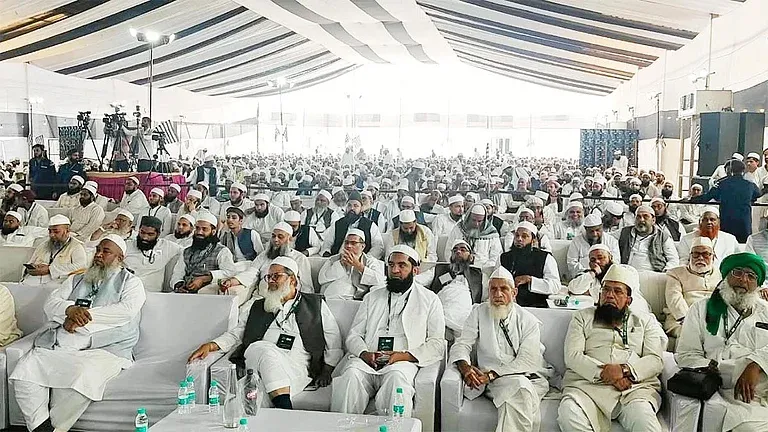
People from across the country participate in India Alliance's mega rally; public power seen everywhere from political leaders' march to cultural demonstrations; Delhi witnesses such a gathering on a political issue for the first time in decades
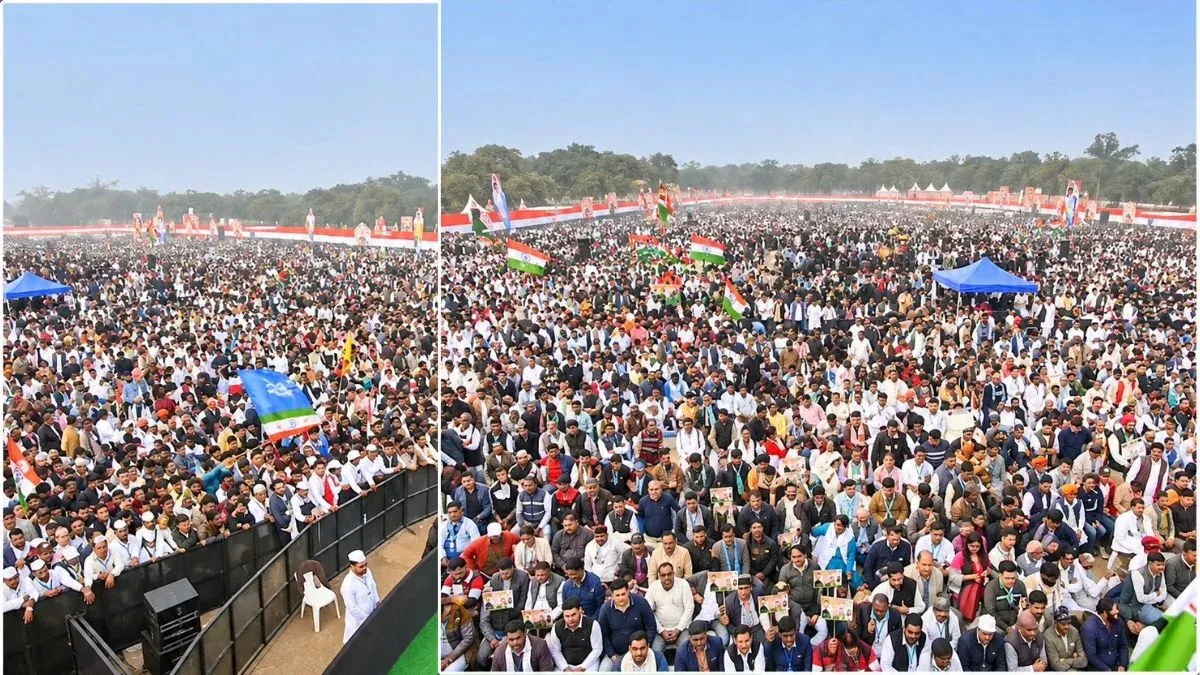
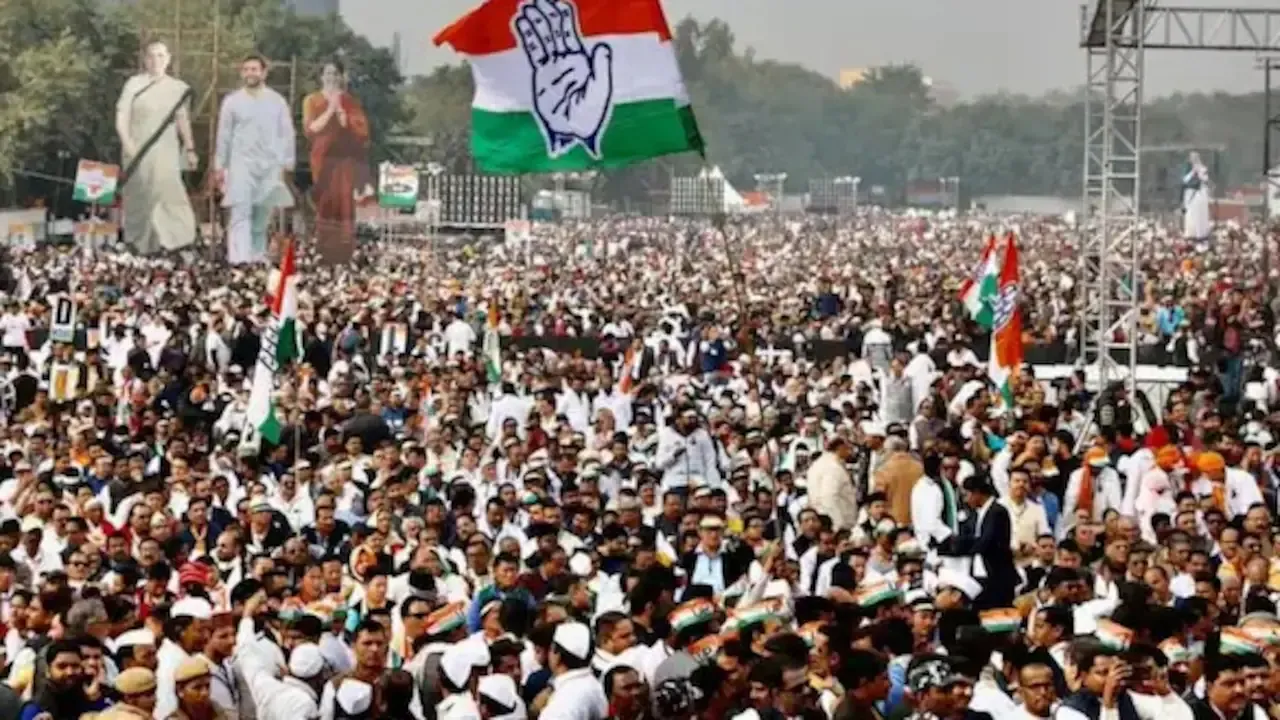
New Delhi: An unusual crowd was seen at the 'Save the Vote, Save the Nation' mega rally organized by the India Alliance at the historic Ram Leela Maidan on Sunday to raise voices against vote rigging and demand transparency in the electoral process. Thousands of people arriving from various parts of the country turned the gathering into a major political demonstration. During the rally, not only Ram Leela Maidan but also the surrounding roads, intersections, and flyovers echoed with slogans. Organizers and participants said that public support on such a large scale for a single political issue on Delhi's streets was seen for the first time in decades.
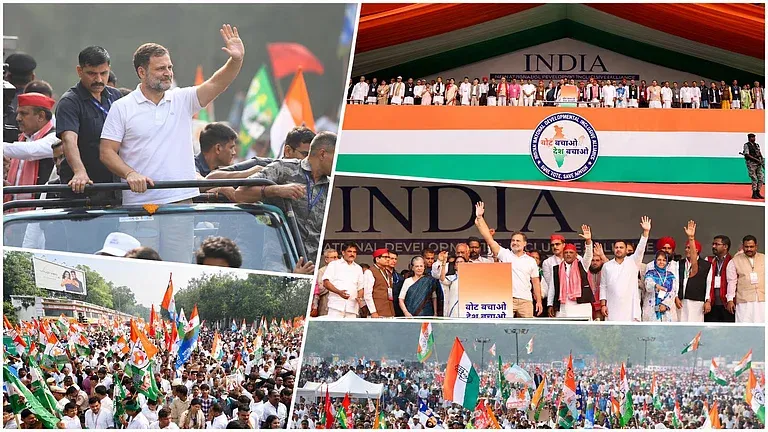
Before the start of the rally, a large march was led by top leaders of various parties, including Congress President Mallikarjun Kharge, Leader of the Opposition in the Lok Sabha Rahul Gandhi, Congress General Secretary Priyanka Gandhi, Samajwadi Party President Akhilesh Yadav, Trinamool Congress chief Mamata Banerjee, RJD leader Tejashwi Yadav, NCP (Sharad Pawar Group) leader Supriya Sule, National Conference President Farooq Abdullah, Shiv Sena (Aaditya Thackeray Group) leader Sanjay Raut, CPI General Secretary D. Raja, PDP President Mehbooba Mufti, and CPM leader MA Baye.
Representatives of 20 political parties participated in this march, including Himachal Pradesh Chief Minister Sukhram Singh Sukhu, Telangana Chief Minister Revanth Reddy, and Kerala leader VD Satheesan. The march started from Minto Road and reached Ram Leela Maidan. Senior leaders were seated in open vehicles, while thousands of workers and supporters walked alongside them. Large crowds were present on both sides of the road to welcome their leaders.
Due to the unusual number of participants, the march took almost three hours to reach Ram Leela Maidan. When leaders of various political parties reached the stage set up in the maidan together and raised their hands to welcome the public, a demonstration of the joint political power of the opposition alliance was seen. This scene further increased the enthusiasm of the people present there.
The influx of people from various parts of the country to participate in the mega rally had begun from Friday night. By Sunday morning, the number of people in and around Ram Leela Maidan continued to increase. Crowds were also seen on nearby roads, intersections, and around flyovers. Participants carried national flags, flags of various political parties, banners, and posters. People were chanting slogans like 'Vote thief, give up the seat' and 'Save the Vote, Save the Nation' as they moved towards the rally. Protesters arriving from different states also brought with them complaints regarding issues in their regions and electoral rolls.
A large banner carried by protesters from Karnataka became a particular center of attention. The names of voters were listed on this several-meter-long cloth banner, who claimed their names had been removed from the voter list. Thus, protesters tried to present their claims and complaints to the public, not just through slogans. Participation of social classes beyond political workers
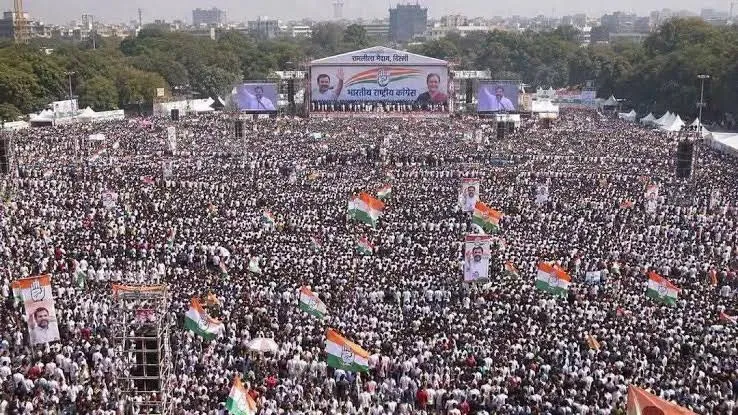
Another notable feature of this mega rally was that it was not only attended by workers and supporters of political parties, but people from various social classes also participated in large numbers. The presence of sadhus and saints, youth, students, women, intellectuals, and social workers gave the gathering the shape of a broad social demonstration. (Details on page 7)
The primary aim of the India Union rally was to file a protest against Chief Election Commissioner Gyanesh Kumar and to raise a voice against alleged irregularities in the electoral process. Opposition parties allege that during the revision of voter lists, a large number of eligible voters were removed, affecting their right to vote.
Opposition leaders linked the issue to democracy and constitutional rights, appealing to the public to raise their voices for the protection of their vote. They said that free and fair elections are a fundamental necessity of a democratic system and that public confidence in the electoral process must be maintained. The participation of people from various states in the rally further strengthened the attempt to highlight the issue at a national level. From banners of Karnataka protesters to slogans of workers from different states, the issue of electoral lists and the right to vote was prominent everywhere.
People who came to participate in the rally also received support from ordinary citizens. According to organizers, several auto and taxi drivers provided free rides to the rally at Ram Leela Maidan. Thus, in addition to party workers, local citizens also helped the participants of the rally. Despite the large number of people present, organizers tried to maintain order and discipline. Workers from various political parties were present with their own flags and banners and continued chanting slogans throughout the rally. Despite the large number of people, workers played a key role in keeping the gathering organized.
The impact of this rally was also prominently visible on social media. Throughout the day, images, videos, and glimpses of various cultural demonstrations related to the rally were shared on social media platforms. Participants also highlighted the presence of people from their own areas and states. In addition to supporters of political parties, ordinary citizens also expressed their reactions by sharing videos and photos of the rally.
According to political commentators, it will not be enough to see the India Union rally merely as a political gathering. The transparency of the electoral process, alleged irregularities in voter lists, and questions raised about the role of the Chief Election Commissioner have made it part of a larger political debate. Through this rally, the opposition tried to convey a united message that they are ready to fight together on matters related to the right to vote and the electoral system. It will now be important to see how far this voice rising from Ram Leela Maidan will take on a nationwide political movement in the coming days and what effects it will have on the ongoing debate about electoral reforms.
People from different states wore their traditional attire, which also highlighted the cultural and social vibrancy of India in the rally. At several locations, people protested in their traditional style. In some places, people were seen dancing to the beat of drums and naqars, while in others they expressed their emotions through dhol and folk songs.
This style of protest was not limited to political slogans. At various locations, artists performed dramas and raised questions about electoral irregularities and voters' rights through banners featuring cartoons. These cultural demonstrations gave the rally a distinct identity. The sound of drums, folk songs, and slogans echoed far from Ram Leela Maidan.
Editor in Chief