
National
 National
 National
 National
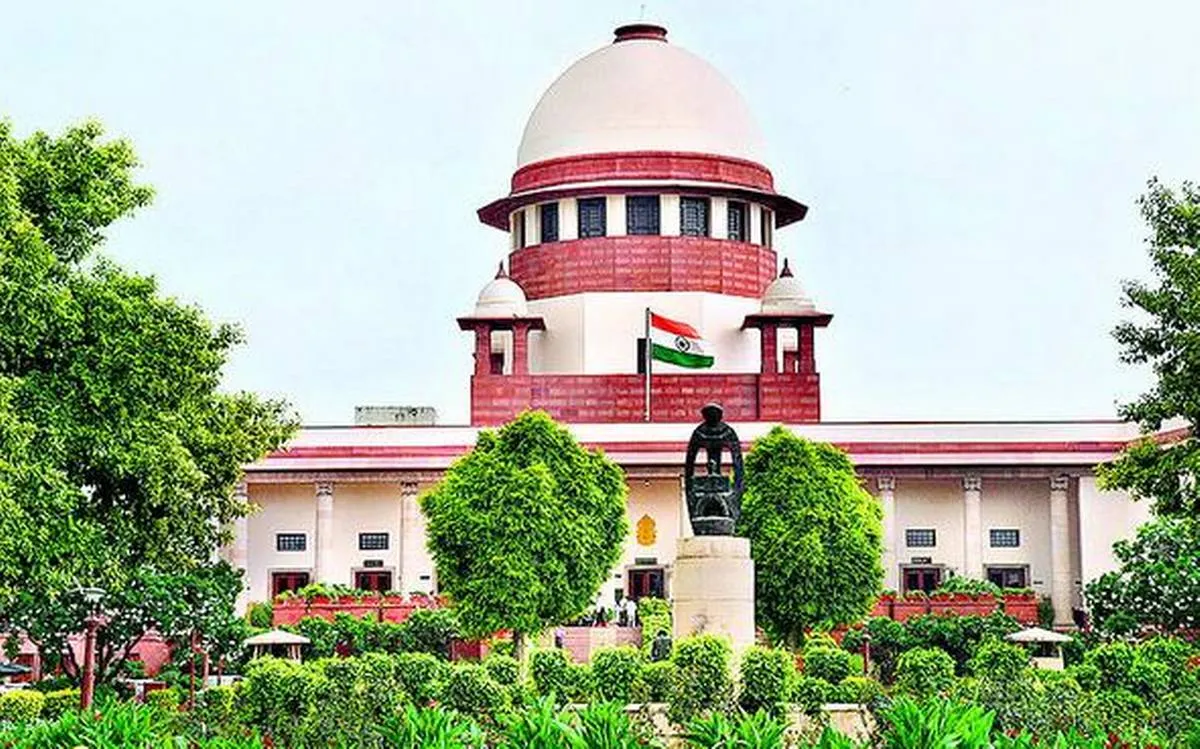
Supreme Court stays new UGC regulations
Awaze Bihar2 min read
New Delhi: The Supreme Court has imposed an immediate stay on the new anti-discrimination and equality regulations of the UGC (University Grants Commission) and has sought a response from the central government and the UGC. The court clarified that these regulations appear to be ambiguous at first glance and raise serious questions with regard to the principle of equality enshrined in the Constitution, particularly Article 14. The court directed that the 2012 regulations will remain in effect for now, while the next hearing is scheduled for March 19.
This action was taken on public interest petitions that stated the new regulations specifically identify certain classes as potentially affected parties, while general category students are left out of the purview. According to the petitioners, this creates an impression that discrimination can only occur against specific social categories, which is contrary to the fundamental concept of constitutional equality and can exacerbate discrimination in society.
During the hearing, the petitioners' lawyer challenged a particular clause of the regulations, stating that the definition of discrimination is limited and unbalanced. They argued that the Constitution provides equal protection to all citizens, so the definition of discrimination should also be universal, not limited to specific groups. The lawyer said that adding a new clause when a definition already exists is not clearly necessary, and this ambiguity raises concerns about the potential misuse of the regulations.
The court commented on this point, saying it will review whether the new regulations are truly in line with the right to equality. The court also stated that educational institutions should create regulations that promote unity, not division. During the hearing, there was also an expression of concern that ambiguous regulations could be exploited by some individuals, potentially affecting the institutional environment.
Under the new regulations, the establishment of equality committees is mandatory in all higher education institutions, including representation of women and people with disabilities, among other categories. Critics argue that while the goal is to eliminate discrimination, the lack of clarity in the methodology leaves room for the system to be misused. In this context, student protests have been seen in various states.
The Union Education Minister had assured that the regulations would not be misused and that no one would be treated unfairly. However, after the Supreme Court's stay, the ball is now in the central government's and UGC's court to clarify the constitutional validity and practical necessity of the regulations before the court. The court has hinted that a committee of experts may be formed if necessary to find a balanced and lasting solution to the issue.
Related News
RSS decides to increase focus on youth and women
Awaz E Bihar
Government hiding truth on clash with China in Arunachal, country should be given full information: Kharge
Awaz E Bihar
Efforts to take the opposition into confidence regarding the women's reservation and delimitation bills
Awaz E Bihar