
National National
 National
 National
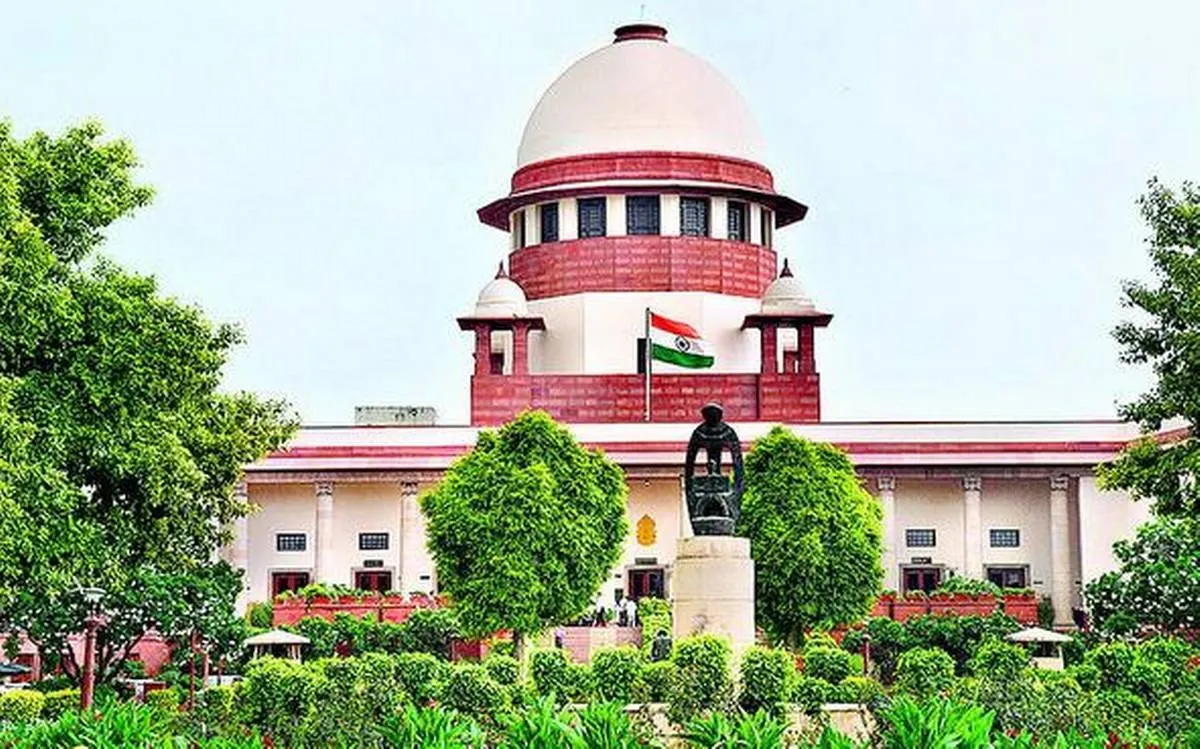
Supreme Court upholds High Court's guiding principles on FIRs related to social media posts
Awaze Bihar2 min read
The Supreme Court has upheld the guidelines issued by the Telangana High Court for registering FIRs in cases related to social media posts.
A bench of Justices J B Pardiwala and Vipin Bhushan dismissed a batch of special leave petitions filed by the State of Telangana on Thursday, challenging the High Court's judgment that quashed three FIRs and laid down detailed operational guidelines for police and judicial magistrates to deal with criminal proceedings based on social media content.
Dismissing the petitions, the court said it has carefully examined the guidelines and found no reason to modify them. The bench said, "We have gone through paragraph 29. We are of the view that we should not interfere with the judgment and order of the High Court, which includes the guidelines issued by the High Court."
In its order, the Telangana High Court had quashed three FIRs registered over Nalla Balu's X post criticizing the Congress party. The High Court had held that the posts, though critical, fell within the realm of legitimate political expression. Moreover, the complaints lacked specific details, and the complainants had no locus standi to intervene or file a complaint in the matter. The court found that proceeding with the criminal action would be an abuse of the process of law. The court clarified that an FIR can be registered only when a prima facie case is made out that promotes enmity, disturbs public order, or amounts to an offense of sedition, with evidence of inciting violence, hatred, or public disorder.
The operational guidelines issued by the High Court include affirmation of the right to be heard before registering an FIR in cases of defamation or similar offenses, preliminary inquiry to verify the legal elements in cognizable (serious) police cases, and application of a higher standard in cases related to political speech, as laid down in Kedar Nath Singh vs State of Bihar and Shreya Singhal vs Union of India.
The guidelines also mandate strict adherence to safeguards against arrest as laid down in Arnesh Kumar vs State of Bihar, prior legal opinion from the public prosecutor in sensitive cases, and mandatory closure of complaints found to be baseless or motivated by political considerations under Section 176(1) of the Indian Criminal Procedure Code.
Senior advocate Siddharth Luthra, appearing for the State of Telangana in the Supreme Court, did not challenge the quashing of the FIRs but objected to the scope of the guidelines, saying they were not uniform and required improvement. The Supreme Court rejected this argument, saying it was not inclined to interfere with the High Court's judgment or the guidelines framed by it.
Related News
RSS decides to increase focus on youth and women
Awaz E Bihar
Government hiding truth on clash with China in Arunachal, country should be given full information: Kharge
Awaz E Bihar
Efforts to take the opposition into confidence regarding the women's reservation and delimitation bills
Awaz E Bihar